Welcome to Mastertheboss, your go-to resource for enterprise Java development, middleware administration, and DevOps. Explore practical, step-by-step tutorials covering WildFly and JBoss EAP configuration, Keycloak identity management, Quarkus microservices, Jakarta EE, Docker, and OpenShift deployments. Whether you need help setting up SSL/TLS certificates, performance tuning, or integrating enterprise frameworks, find hands-on solutions for your architecture.
Quarkus 3.x uses Jakarta EE CDI events (@Observes StartupEvent and ShutdownEvent) to execute custom logic during application initialization and shutdown. With full support for Jakarta EE 10 and reactive...
Learn how to build high-performance RESTful CRUD APIs in Quarkus 3.x using Hibernate ORM with Panache, RESTEasy Reactive, and Jakarta EE standards (`jakarta.*`). This guide demonstrates both manual endpoint...
Quarkus 3.x enables remote debugging by default on port 5005 during development mode (quarkus:dev). Built on Jakarta EE 10 (jakarta.*) and RESTEasy Reactive with SmallRye Mutiny, Quarkus allows seamless...
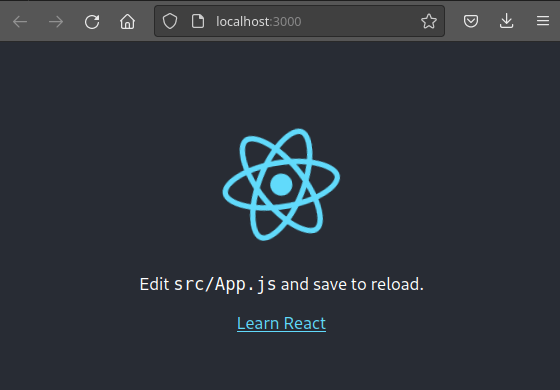
ReactJS is a popular and widely used Javascript library for building rich user interfaces. This article shows how to consume REST Services from a modern Quarkus 3.x application using a simple React front-end....
Learn how to connect a Quarkus 3.x application to an Infinispan server using the Hot Rod client protocol, RESTEasy Reactive, and Jakarta EE standards. This guide covers ProtoStream schema generation for...
Quarkus 3.x uses JBoss Log Manager as its underlying logging facade, offering seamless integration with Jakarta EE 10, RESTEasy Reactive, and Mutiny. You can configure log levels, custom formats, JSON...
Configuring CORS in Quarkus 3.x requires enabling quarkus.http.cors=true in application.properties and defining your allowed origins, HTTP methods, and headers. Quarkus 3 processes CORS natively at the...
Learn how to implement a type-safe REST Client in Quarkus 3.x using MicroProfile REST Client and the high-performance RESTEasy Reactive stack (Quarkus REST). This guide demonstrates endpoint creation,...
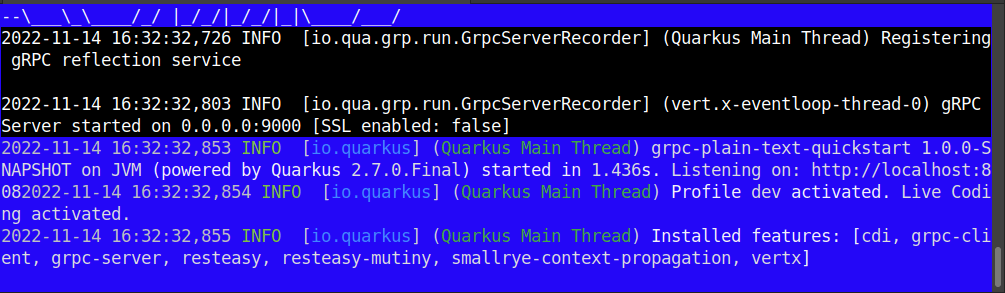
Build and expose high-performance gRPC services in Quarkus 3.x using RESTEasy Reactive, Jakarta EE 10, and SmallRye Mutiny. Learn how to generate gRPC code from Protobuf files with the quarkus-maven-plugin,...
Quarkus 3.x brings supersonic, subatomic Java performance powered by Jakarta EE 10 standards, JDK 17+ baseline, and default non-blocking execution using RESTEasy Reactive and SmallRye Mutiny. This guide...
Learn how to build high-performance NoSQL applications using Quarkus 3.x and MongoDB. This guide demonstrates both low-level programmatic database operations via the MongoDB Java Client and object-oriented...
Vaadin Flow provides a comprehensive set of UI components and tools for creating rich and interactive user interfaces, while Quarkus offers a lightweight and efficient Java framework for developing cloud-native...
Learn how to build high-performance, ahead-of-time (AOT) compiled native binaries using Quarkus 3.x and Mandrel (the OpenJDK-aligned GraalVM distribution). This guide covers environment installation for...
Learn how to test Quarkus 3.x applications using JUnit 5 and REST-Assured updated for Jakarta EE (jakarta.*) and RESTEasy Reactive. This guide covers the @QuarkusTest lifecycle, HTTP endpoint testing with...
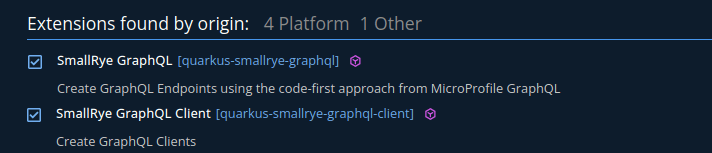
TL;DR: Quarkus 3.x simplifies building GraphQL APIs and clients with full Jakarta EE 10 support and seamless RESTEasy Reactive integration. This guide demonstrates how to build type-safe GraphQL APIs using...
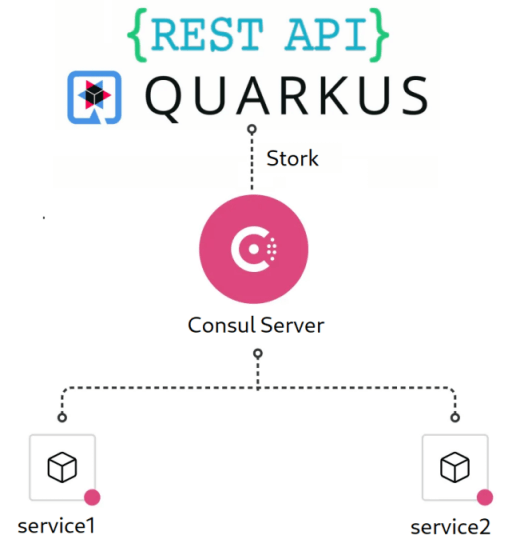
TL;DR: Learn how to implement service discovery and client-side load balancing in Quarkus 3.x using SmallRye Stork and HashiCorp Consul. This guide covers setting up remote services, registering endpoints...
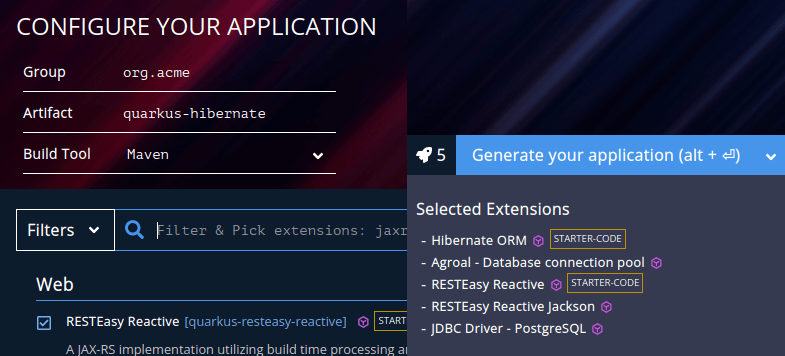
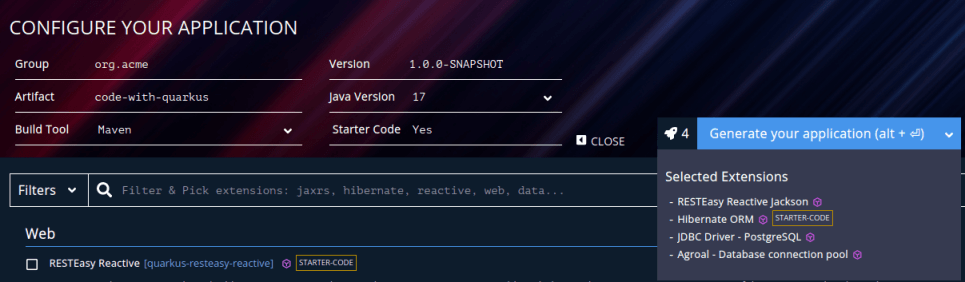
In this article we will learn how to create and run a sample Quarkus 3 application which uses Hibernate ORM and JPA. We will create a sample REST Endpoint to expose the basic CRUD operations against a...
TL;DR: Quarkus 3 brings core upgrades to cloud-native Java, including full support for Jakarta EE 10 (migrating from javax.* to jakarta.*), MicroProfile 6, Hibernate ORM 6, Mutiny 2.x, and native integration...
TL;DR: Hibernate Reactive in Quarkus 3.x enables end-to-end non-blocking, asynchronous database operations powered by SmallRye Mutiny and Vert.x SQL clients. This hands-on guide covers building a full...
TL;DR: Deploying Quarkus 3.x applications to Red Hat OpenShift is fast and straightforward using either the native quarkus-openshift extension or the Eclipse JKube Maven plugin. Quarkus 3 defaults to Jakarta...
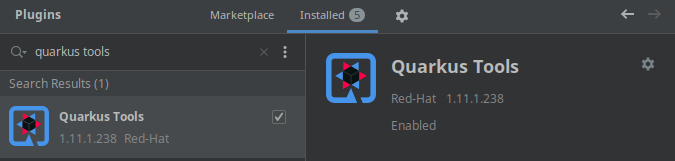
TL;DR: Learn how to bootstrap, develop, and debug modern Quarkus 3.x applications using the JetBrains IntelliJ Quarkus Tools plugin. This updated guide covers Jakarta EE 10 migration (jakarta.*), default...
TL;DR: Learn how to query a Quarkus 3.x REST application using an Ajax/jQuery front-end. Updated for Quarkus 3.x, featuring RESTEasy Reactive, Mutiny reactive types (Uni), and the Jakarta EE 10 namespace...
TL;DR: In Quarkus 3.x, the HTTP server is powered by Eclipse Vert.x and RESTEasy Reactive (using standard jakarta.ws.rs annotations). You can easily configure the HTTP port, SSL port, context root, and...
TL;DR: Learn how to build container-ready native executables using Quarkus 3.x, Java 17/21, and GraalVM/Mandrel. This tutorial covers zero-install containerized native builds, local compilation using GraalVM,...
TL;DR: CVE-2023-4853 is a critical path-handling vulnerability in Quarkus HTTP Security Policies where path matching can be bypassed using multiple adjacent slashes (e.g., //secured/resource). The permanent...
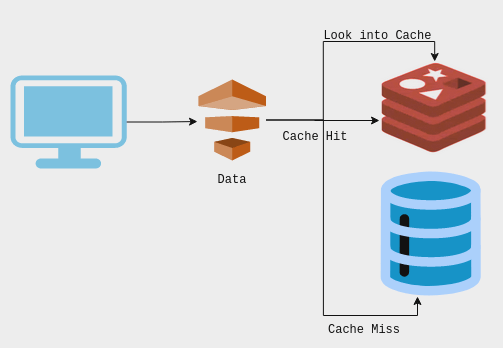
TL;DR: Learn how to integrate Redis with Quarkus 3.x using the high-performance Quarkus Redis Client. This hands-on guide covers managing Redis data structures synchronously and reactively with SmallRye...
Whether you're a beginner exploring OpenShift for the first time or an experienced user looking for a quick reference, this cheatsheet is designed to give you a CheatSheet of OpenShift oc CLI commands,...
Note: This article reflects an old version of Openshift which has been deprecated. This is the latest updated tutorial on WildFly and Openshift: Running WildFly on Openshift This tutorial will show how...
This is the second tutorial about messaging with Quarkus. In the first one Messaging with Quarkus , we have covered how to use the standard JMS protocol in a Quarkus application. In this one we will explore...
Quarkus is a framework you can use to develop Cloud-ready modern Java applications. Quarkus also allows to generate native executables from your Java application and can easily leverage the distribution...
In this first tutorial about Virtual Threads Mastering Virtual Threads: A Comprehensive Tutorial , we have covered the basics of Virtual Threads. In this article we will learn how Quarkus simplifies the...
In this step-by-step guide we will learn how to code, run and test SOAP web services using the Quarkus CXF Extensions. We will first learn how to deploy a simple SOAP Web services and then we will consume...
In the first tutorial Quarkus vs Spring Boot: What You Need to Know we have compared Spring Boot and Quarkus in relation to the core framework capabilities, memory consumption, cloud readiness and ease...
In this two-part article series, we will be comparing Quarkus vs Spring Boot taking into account aspects related to the performance and runtime statistics of a simple example application. In the next part,...
Quarkus is a popular framework for building efficient and scalable Java applications. One critical aspect of application development is managing transactions, and Quarkus provides flexible ways to configure...
In the world of modern Java microservices, developers are faced with a variety of frameworks and tools to choose from. Two popular options in this space are Quarkus and Micronaut. Both of these frameworks...
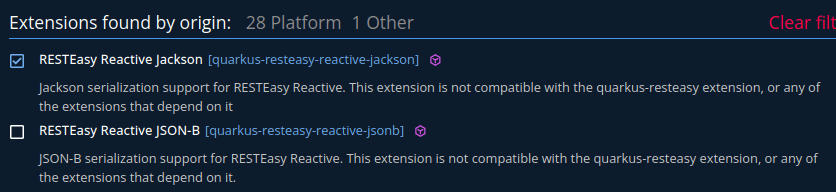
Quarkus RESTEasy Class implementation has improved a lot since its first release. Within this tutorial we will show some new features which are available in Quarkus 3 starting from the new Reactive REST...
This tutorial explains the differences between Quarkus RESTEasy Classic and RESTEasy Reactive. You’ll learn how to choose between them and which one fits best for your new applications. Since the beginning,...
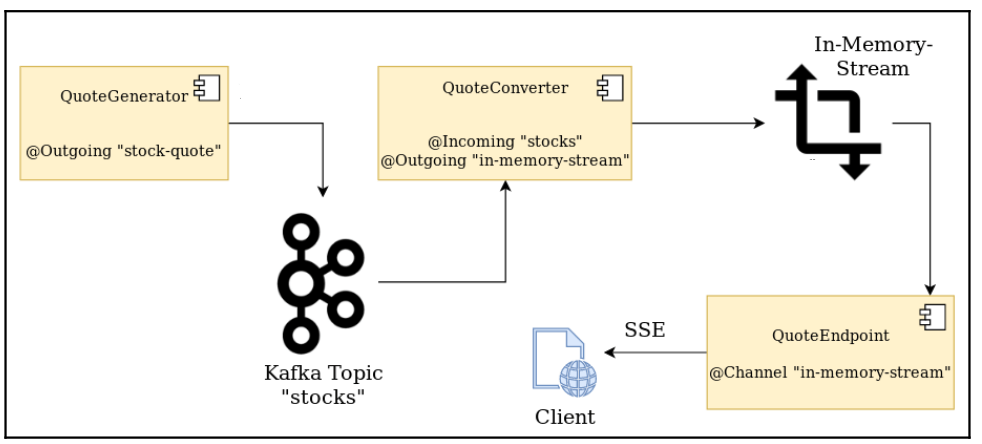
In this article, we will learn how to create a Quarkus Reactive application which uses the SmallRye Reactive Messaging and Mutiny project to stream data from and to a Kafka cluster. The architecture style...
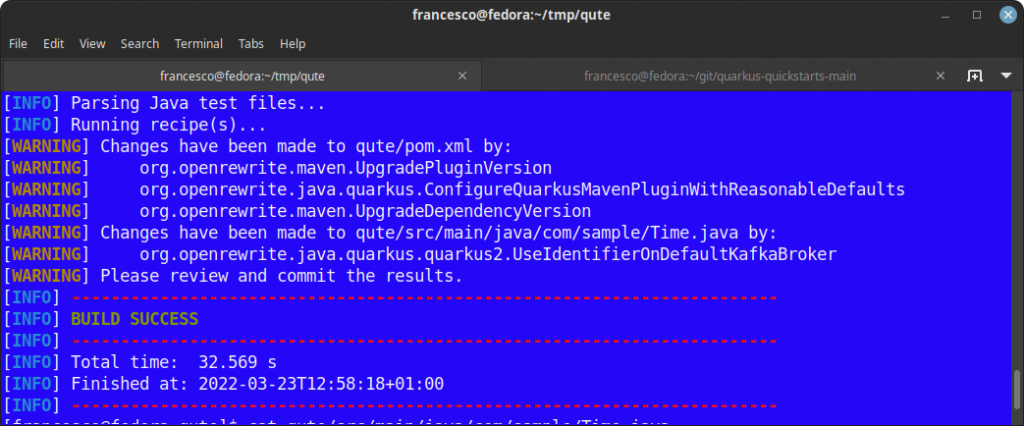
Quarkus is one of the most innovative Java projects, therefore it’s not a surprise there are frequent updates to it. In this article we will have a look at the available guidelines to migrate Quarkus applications...
I’m glad to announce Packt Publishing just published my latest book “Hands-On Cloud-Native Applications with Java and Quarkus: Build high performance Java microservices on Kubernetes” ! Build robust and...
In this tutorial we will learn how to monitor Quarkus MicroProfile metrics using Prometheus open source monitoring solution. Prometheus is an open-source monitoring and alerting platform. Its main features...
Quarkus includes several options for sending and consuming aysnchronous messages. In this two-parts tutorial we will learn how to send messages using the JMS API, which is well-known to Java Enterprise...
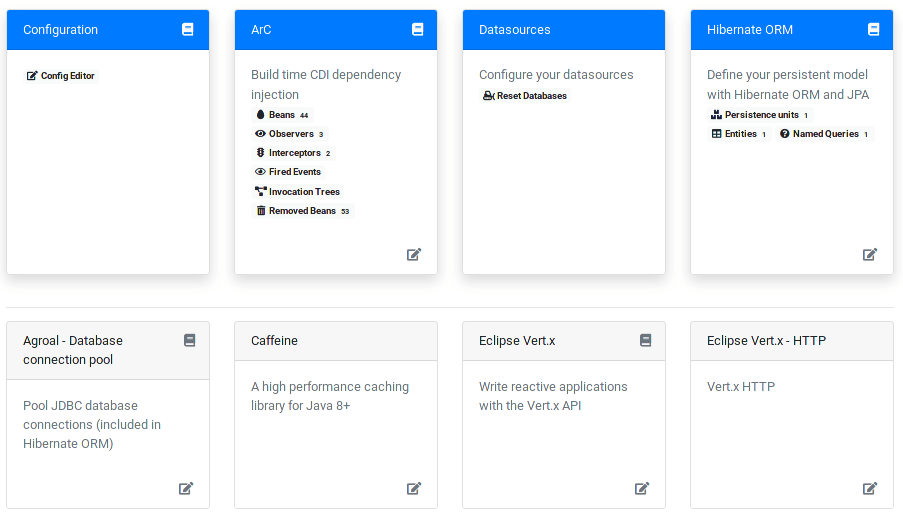
Quarkus now includes (since version 2.3.0) a Development UI (DevUI) which allows us to monitor runtime information about your extensions. Quarkus DevUI is an experimental feature you can use to collect...
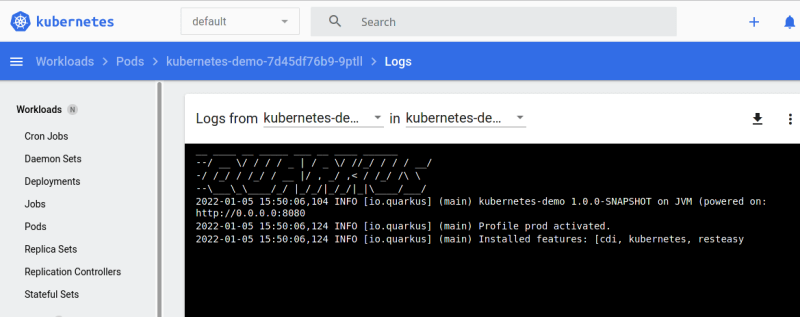
In this article we will learn how to deploy a Quarkus application on top of a Kubernetes cluster. We will start with a minimal REST application and then we will increase its complexity. Hard requirements:...
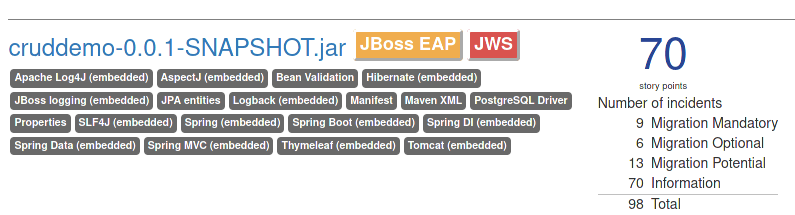
In this article we will walk through a sample migration of a Spring Boot REST Application to Quarkus using Red Hat Migration Toolkit for Applications (MTA). The Migration Toolkit for Applications (MTA)...
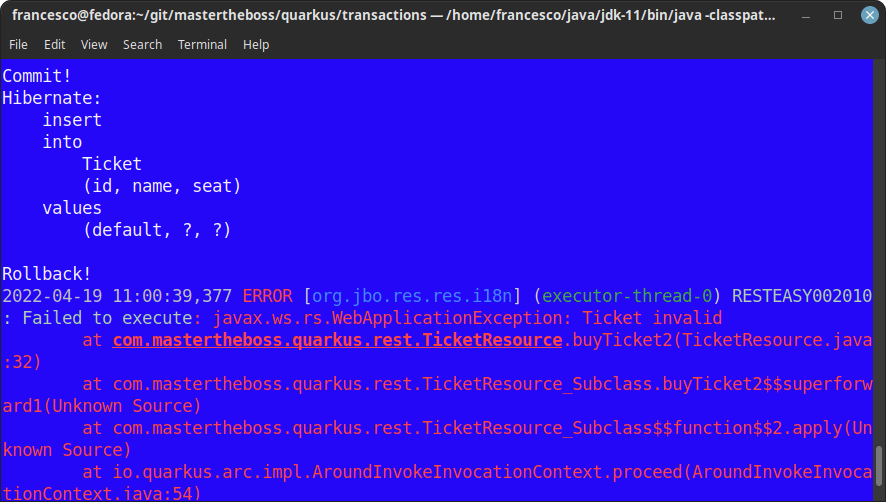
This article launches you on a tour of Transaction Management in Quarkus applications by focusing on the standard declarative approach and the new programmatic transaction API. Quarkus, just like other...
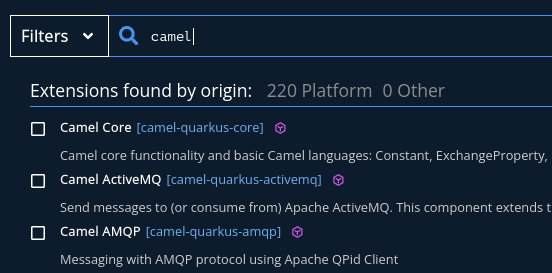
Camel is the open source swiss knife framework for integration, with over 300 components allowing the integration between external systems. In this article we will learn how to use Camel extensions for...
This article shows how to run a Quarkus 3 application using Jakarta REST Service and a Vue.js front-end. The example application will wrap the CRUD method of the endpoint with equivalent Vue.js functions....
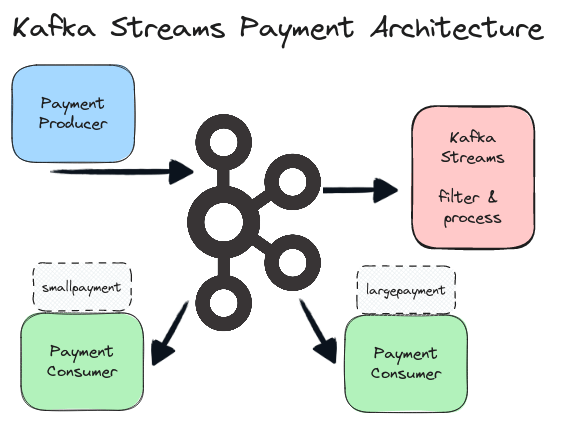
Kafka Streams is a powerful and lightweight library provided by Apache Kafka for building real-time streaming applications and microservices. In this tutorial we will show a simple Kafka Streams example...
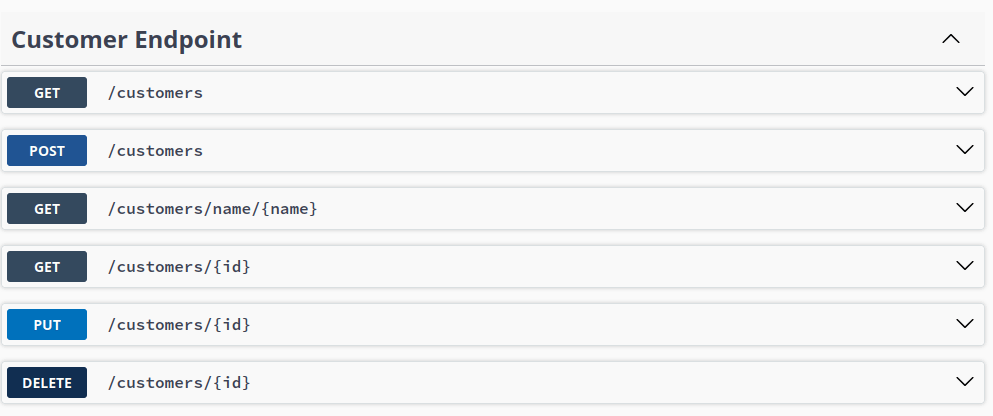
Documentation is a critical part of building APIs, as it helps developers and users understand and interact with your endpoints effectively. Swagger UI is a powerful tool that simplifies this process....
In this tutorial we will learn how to run a Docker image, built from a Dockerfile, on Openshift. So our starting point will be a simple Dockerfile definition which pulls the default “WildFly” image and...
A common issue when porting Docker images on Openshift is that the image might be engineered to run with a root user. Let’s see how to deal with Security Context Contraints on Openshift. So let’s say you...
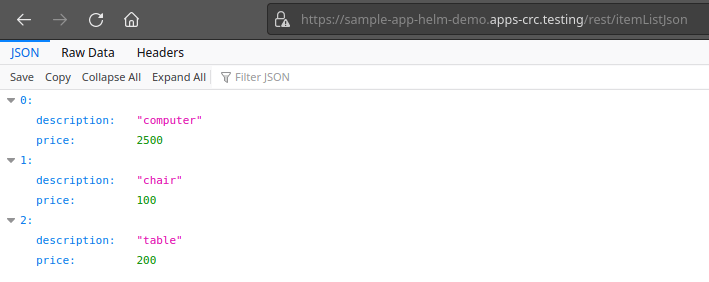
Helm is a package Manager that simplify the management of manifest resources you need for Kubernetes projects. In this article we will walk through an example WildFly application which we will deploy on...
This article provides a step-by-step guide to deploy WildFly in a Kubernetes environment using Helm Charts and custom application server settings. By the end of it, you will be able to customize effectively...
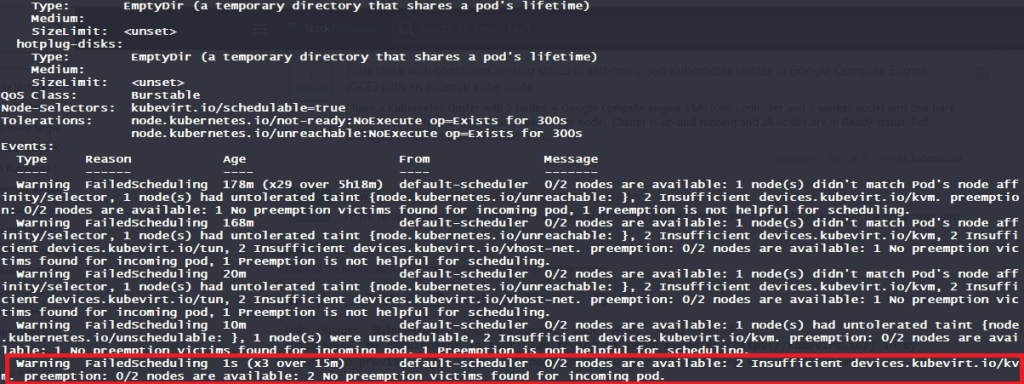
The error message “0/1 nodes are available: 1 Insufficient memory. preemption: 0/1 nodes are available: 1 No preemption victims found for incoming pod.” indicates your pod can’t be scheduled due to memory...
Here is a list of OpenShift interview questions that can help you to prepare for a Cloud Interview where you will discuss about Red Hat OpenShift. What is an OpenShift project and how does it relate to...
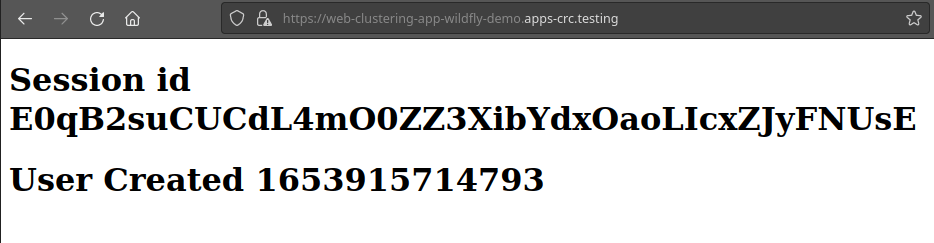
This tutorial will teach you how to run WildFly applications on Openshift using WildFly S2I images. At first, we will learn how to build and deploy applications using Helm Charts. Then, we will learn how...
In this short tutorial we will see how to deploy an Enterprise applications on Openshift (The Kitchensink demo) using a Binary Build, therefore having as input just the local WAR file. In most cases you...
The OpenShift client utility named oc can start a local OpenShift cluster, which includes all of the required services, such as an internal registry, a router, templates, and so on. This is one of the...
OKD is a distribution of Kubernetes optimized for continuous application development and multi-tenant deployment. OKD is the upstream Kubernetes distribution embedded in Red Hat OpenShift and can be used...
This tutorial will teach how to use Blue-Green deployments on Openshift Paas in order to create a parallel environment for your applications which can be replaced just by setting a property in your router...
This tutorial will discuss about using A/B deployments on Openshift Paas in order to balance and weigh the load between multiple applications with as little as some tweaks in your configuration AB deployments...
This tutorial will demonstrate how to use the Autoscaling feature to let Openshift automatically scale the number of Pods based on the amount of resources required by the Pod, up to a certain limit. Out...
In this tutorial we will learn how to deploy a Java EE application on WildFly Container image running on the top of OpenShift Container Platform using OKD. First of all, you need an OpenShift Container...
In this tutorial Java EE example application on Openshift we have deployed a sample Java EE application using a database on Openshift. We will explore now other possibilities such as running CLI commands...
Red Hat OpenShift Local (formerly Red Hat Code Ready Containers ) provide a minimal, preconfigured OpenShift 4.X single node cluster to your laptop/desktop computer for development and testing purposes....
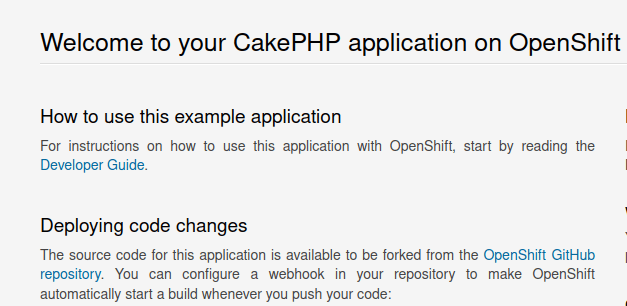
In this tutorial we will learn how to use Templates on OpenShift, taking as example a simple application which uses the CakePHP framework. This framework consists of a MySQL and PHP set of Images that...
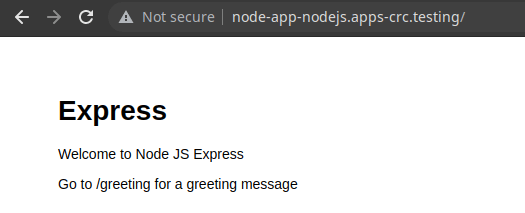
NodeJS provides an event-driven and asynchronous platform for server-side JavaScript. In this tutorial we will learn how to create and deploy a minimal Node application into Openshift. Node.js is an open-source,...
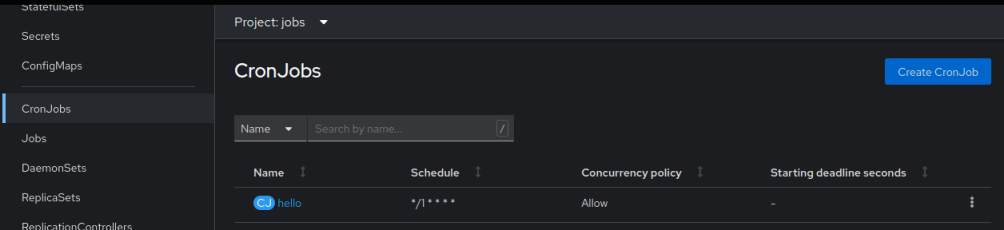
This article discusses how to automate Tasks in Kubernetes and OpenShift using Jobs and Cron Jobs. We will show some example on how to create and manage them. Then, we will discuss the best practices about...
This is a list of DevOps interview questions which include some general and abstract questions and some more technical questions which a DevOps candidate might be requested in an interview. What is DevOps...
This tutorial will introduce you to configuring Storage on Openshift and use it for building stateful applications By default, OpenShift/Kubernetes containers don’t store data persistently. In practice,...
This tutorial will teach you how you can build and deploy a custom Docker images available on Dockerhub into Openshift Origin Paas. Before reading this tutorial you are suggested to learn how to set up...
In this article we will learn how to connect to services running in Openshift Paas from external clients Out of the box Openshift uses the router component to let external clients access the services running...
Openshift metrics is an essential component to gather information about the health of your Paas. In this tutorial we will learn how to start Openshift Origin with metrics enabled and how you can check...
Here’s a collection of SOA interview questions which could be useful before going for a technical interview. What is SOA ? What are the main benefits of SOA ? SOA helps create greater alignment between...
Red Hat provides a container image for JBoss Enterprise Application Platform (JBoss EAP) that is specifically designed for use with OpenShift. In this tutorial we will learn how to pull the image from...
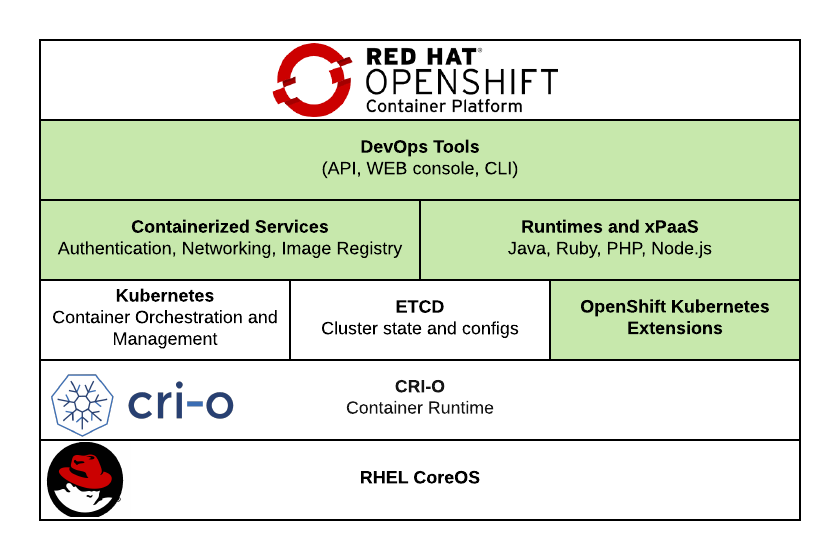
This article provides a comparison between OpenShift and Kubernetes container management project covering both management and development areas. First of all, some definitions. So, it is worth mentioning...
Podman is a container runtime which provides the same features of Docker. The main difference is that it doesn’t require any running daemon (like dockerd) to run on your system. Pods and containers processes...
This tutorial shows how you can use Eclipse JBoss tools to manage Docker images and deploy applications on the top of it. So first of all you need to install Docker tooling. Search “JBoss Tools” on Eclipse...
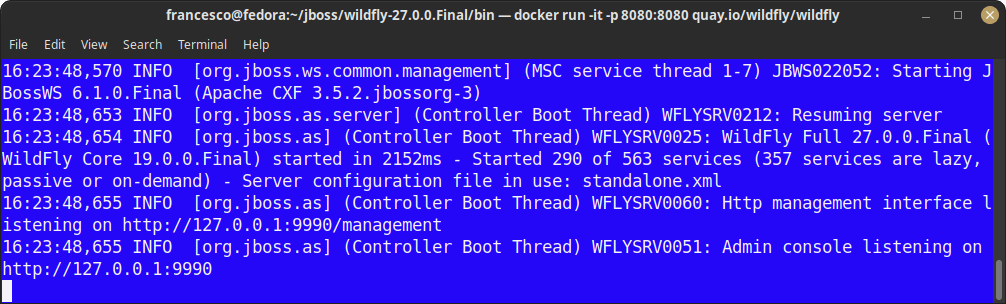
This is the first of a set of tutorials about the Docker framework. In this one we will learn how to install the Docker platform on a Linux Centos machine and pull and execute a WildFly image on the top...
This is the second tutorial about Docker. In the first one How to run WildFly with Docker we have learnt how to install Docker on a Linux machine and pull a WildFly image on the top of it. Now we will...
When running a Java application in a Docker container, it is important to properly configure the JVM memory settings. This is essential to ensure that the application has enough memory to run correctly....
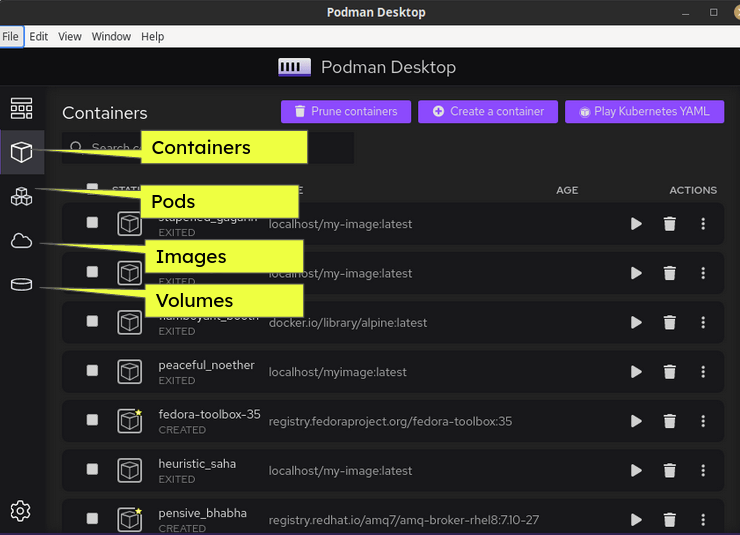
Podman is a popular containerization tool that allows users to manage containers, images, and other related resources. The Podman Desktop Tool is an easy-to-use graphical interface for managing Podman...
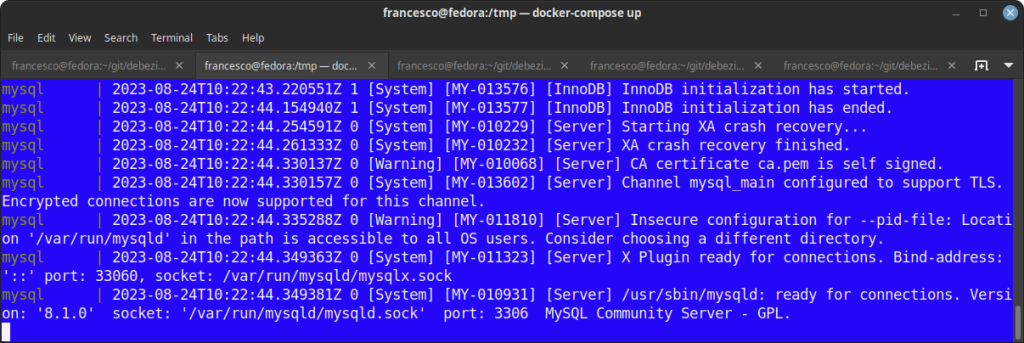
This tutorial is a step-by-step guide to teach you how to use the Docker compose tool to manage multiple contains from a single YAML configuration file. Managing multiple containers individually can soon...
Docker-compose allows you to access container ports in two different ways: using “ports” and “expose:”. In this tutorial we will learn what is the difference between “ports” and “expose:” providing clear...
In this tutorial I’ll show you how you can install Wildfly application server on Amazon EC2 instance. The pre-requesite is that you have already your Amazon account available, so you are ready to launch...
This is the second tutorial about Quarkus Testing. In this article we will learn how to test Quarkus applications that require Integration tests with external resources such as Databases, Messaging Brokers,...
Quarkus security includes several extensions from Elytron. In this tutorial we will learn how to use the Database Realm Authentication with a simple REST Service. Our project will perform authentication...
In this article we will learn how to simplify Data Persistence with Quarkus, using Hibernate ORM Panache a library that stands on the top of Hibernate. Let’s start creating a Quarkus project which includes...
Here is a list of Quarkus Interview questions that might help you to nail a Quarkus Job or simply to test your knowledge of Supersonic Java applications! What is Quarkus? Quarkus is a full-stack native...
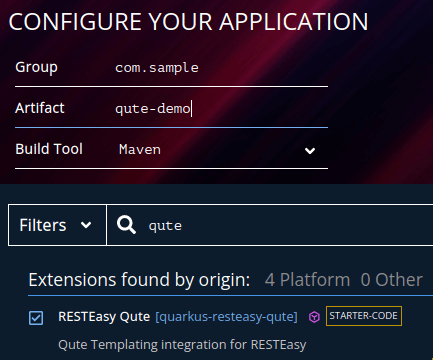
Qute is a templating engine designed specifically for Quarkus. You can use this template engine in a variety of projects but the most common use case is to provide a View to JAX-RS Resouces. There are...
Quarkus is a popular Java framework designed to build lightweight, fast, and efficient applications. It optimizes for container-based deployment, reducing memory consumption, and offering rapid startup...
This article will teach you how to use a plain Datasource resource in a Quarkus application. We will create a simple REST Endpoint and inject a Datasource in it to extract the java.sql.Connection object....
Quarkus includes the undertow extension, therefore it’s fully capable of delivering Servlet applications. In this example, we will show how to use the ServletContext in a REST Application. One challenge...
Quarkus does not provide support for EJB therefore you cannot rely on EJB Timers to schedule simple tasks. However, thanks to the extension quarkus-scheduler it is very simple to add this functionality....
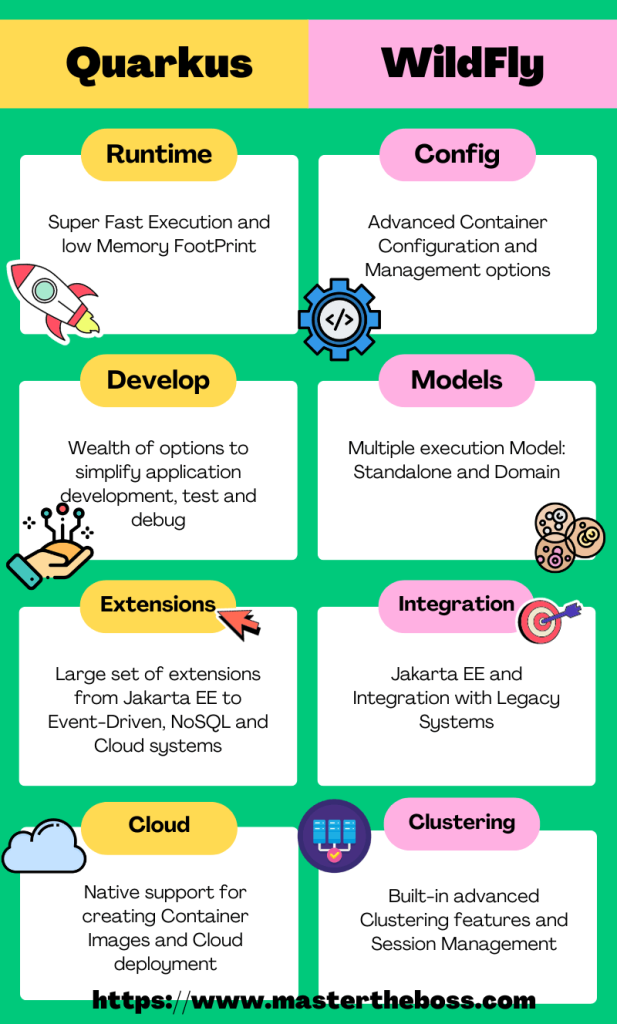
This article provides a comparison of the features of two popular Java Enterprise Runtimes: WildFly Application Server and Quarkus framework. While both offer robust support for Java applications, their...
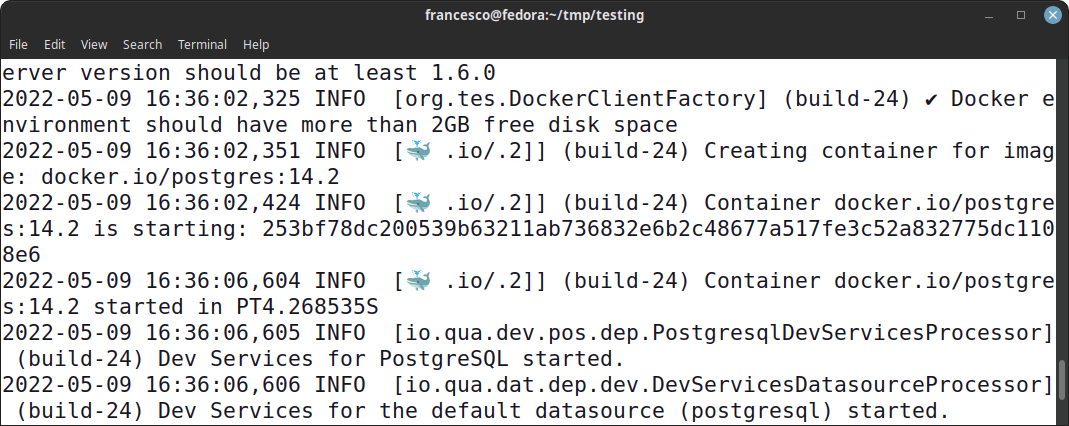
Quarkus 1.13 ships with a new feature called “DevServices” which allows testing or running in dev mode Quarkus without an actual database configuration. Basically, all you need to do is including the extension...
Docker exposes the host directory or file mounting facility through the -v option of the docker run command. Let’s see how to use it in this tutorial. Docker uses the -v option in three different formats:...
In this tutorial we will learn how to run CLI commands when building Docker images of WildFly application server. In order to run CLI commands on the top of WildFly image you need to use the embed-server...
There are two types of volumes in Docker. The first one we will learn now are bind mount volumes which use any user-specified directory or file on the host operating system.. You can use Bind volumes when...
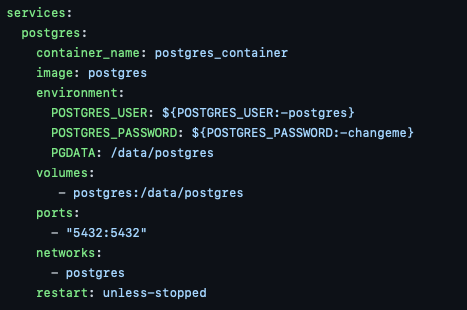
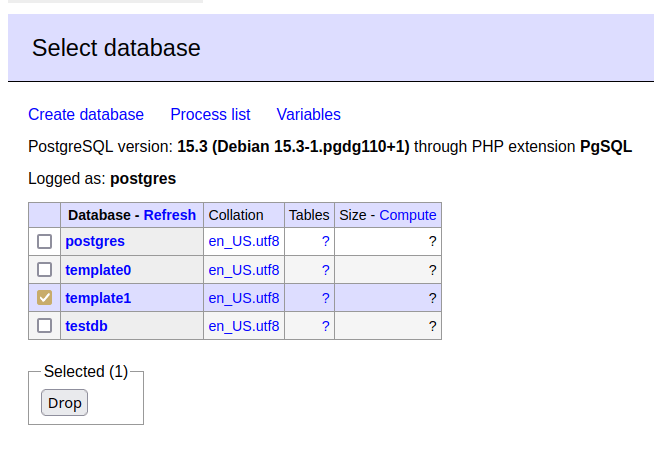
Many times we need to quickly access a Database while developing and testing applications. In this scenario, using a Container image of the Database can speed up your development/testing. In this tutorial...
Docker volumes provide a convenient way to persist data generated by Docker containers. Volumes can be shared across containers, making them ideal for scenarios where data needs to be stored and accessed...
Docker and Podman are both tools that allow developers to package applications and their dependencies into isolated environments called containers. These containers are portable and can be deployed easily...
In this tutorial, we will learn the syntax of Dockerfile with some examples for each available command. Docker can build images automatically by reading the instructions from a Dockerfile. A Dockerfile...
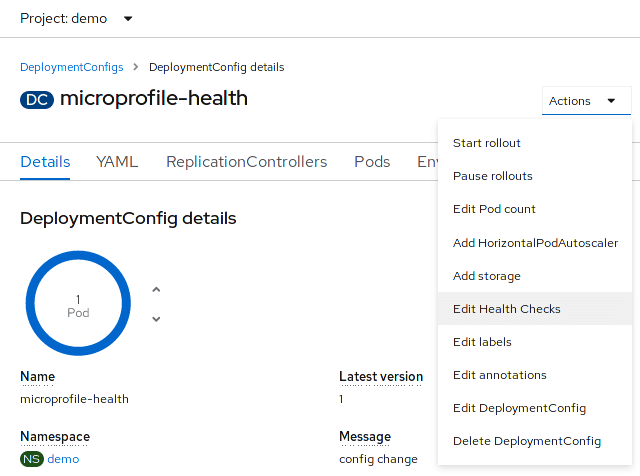
Health checks are an essential component of all microservices applications. In this tutorial we will learn how to use the HealthCheck Microprofile API to verify the liveness and readiness of a Microservice...
A common need for most application is to store its configuration in an external configuration files. This logic can indeed be pursued also when moving to the cloud, by using a resource named ConfigMap....
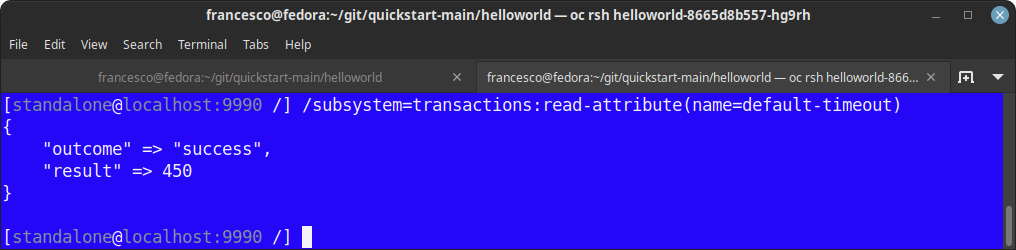
In this tutorial we will learn how to configure JVM settings for WildFly Container running on Openshift. More in detail, we will see how to apply Compute resource constraints to shape the JVM memory settings....
Some of the common issues you might face during Openshift development are that one Pod is not able to reach another Pod. This can be because of network/security reasons, however it’s important to be able...